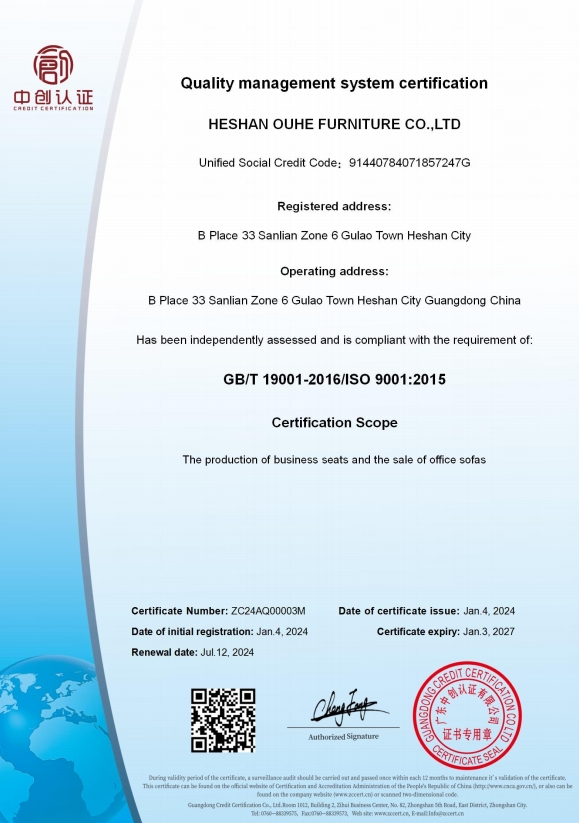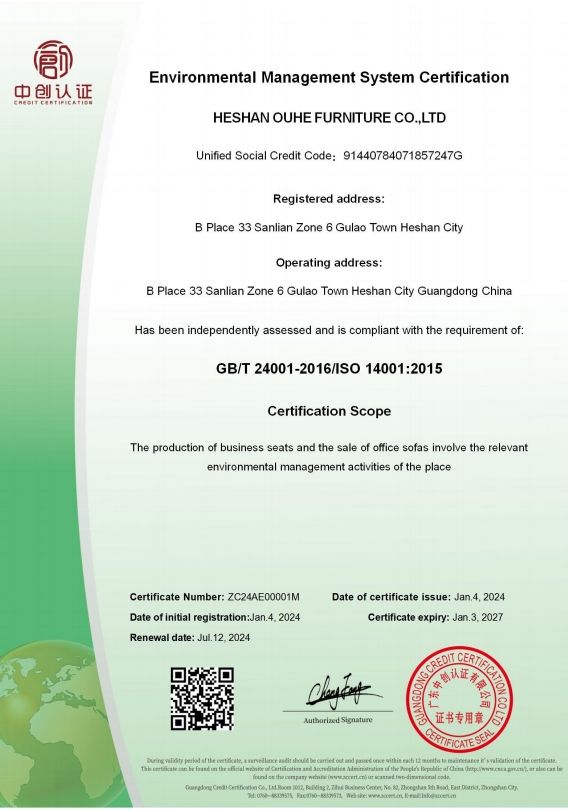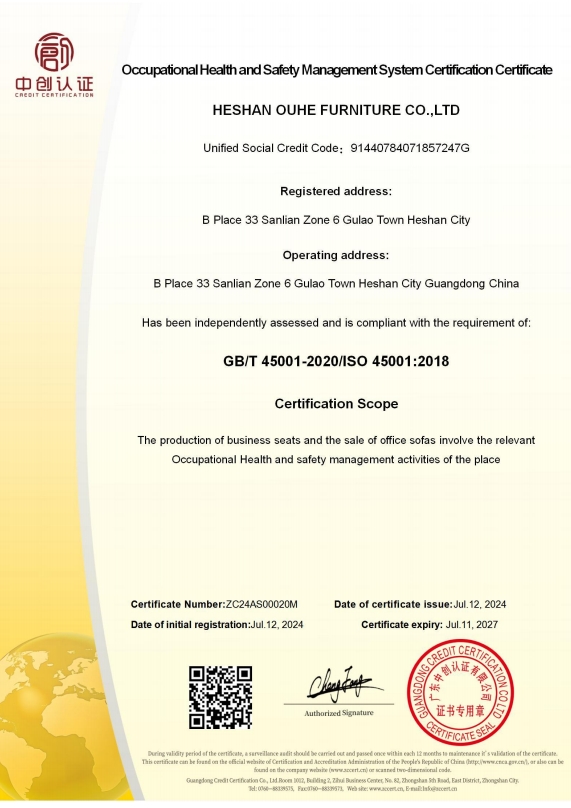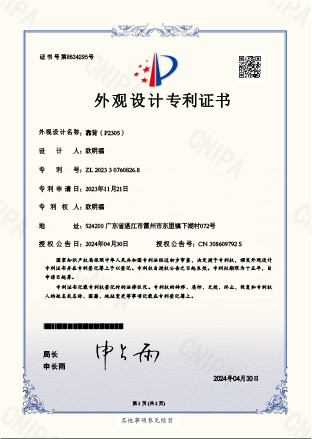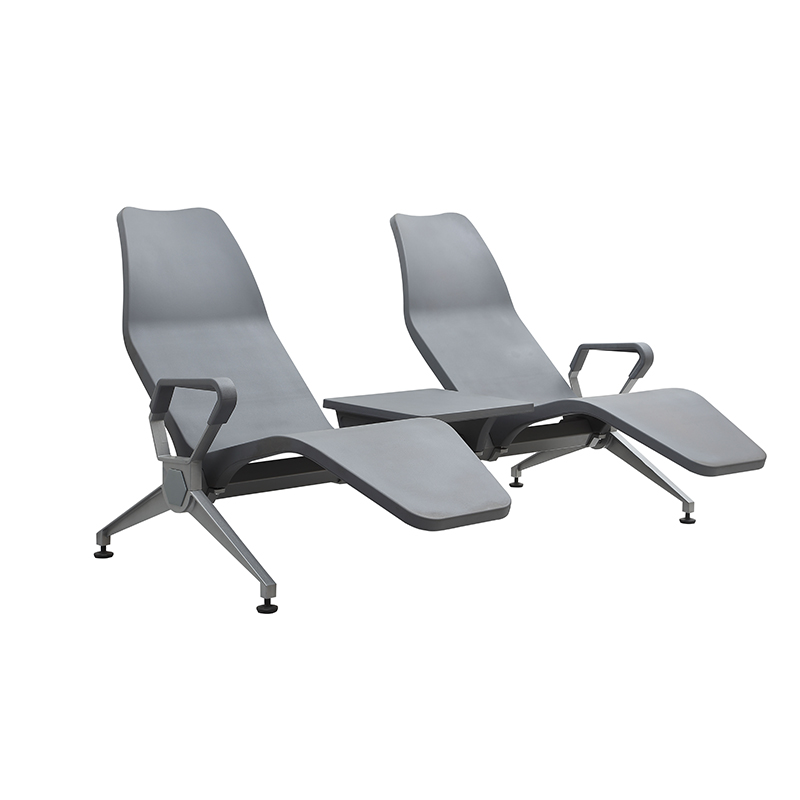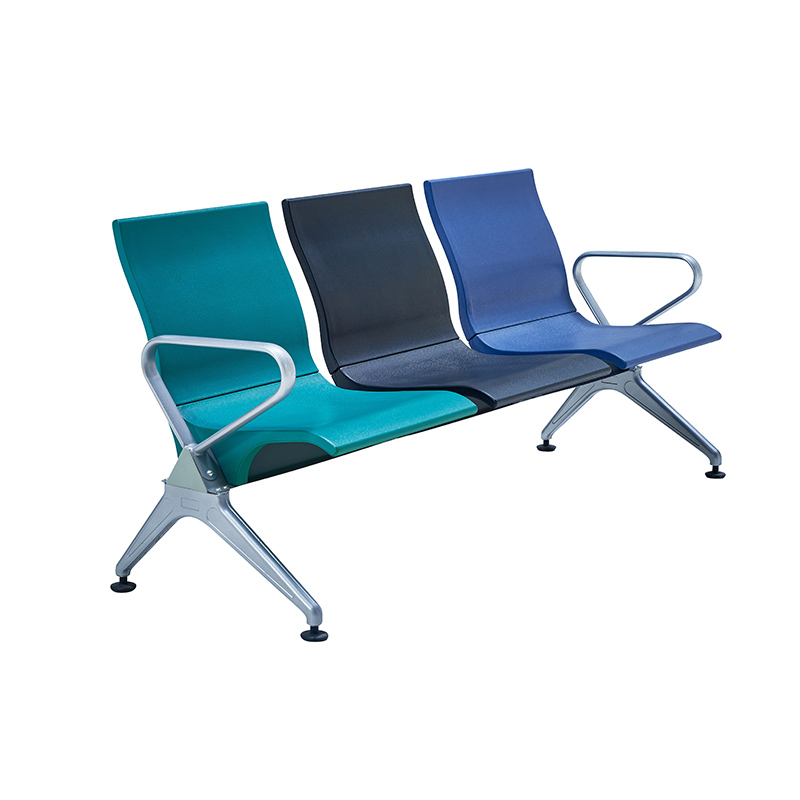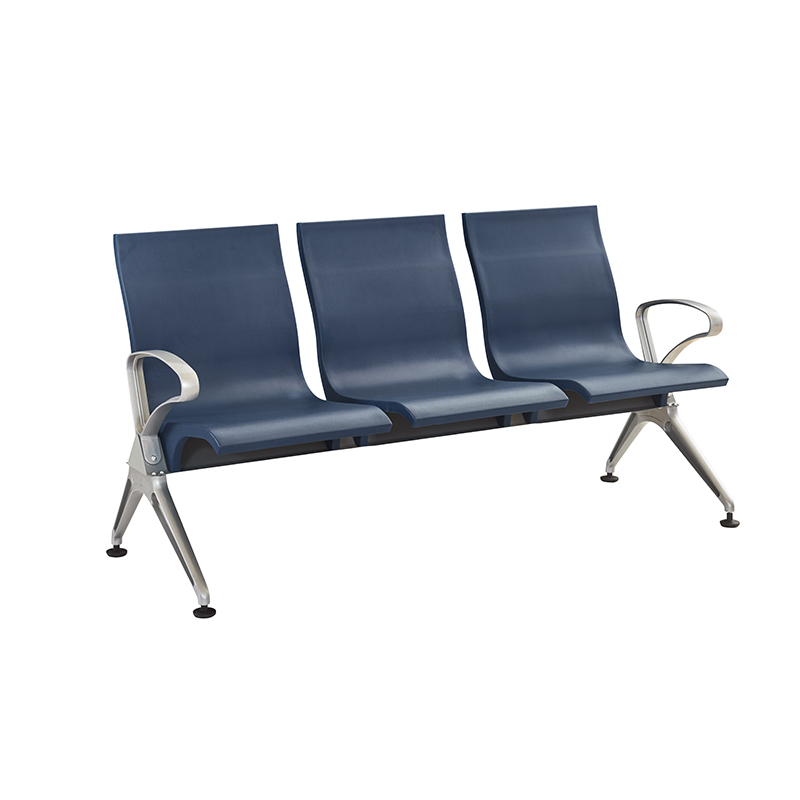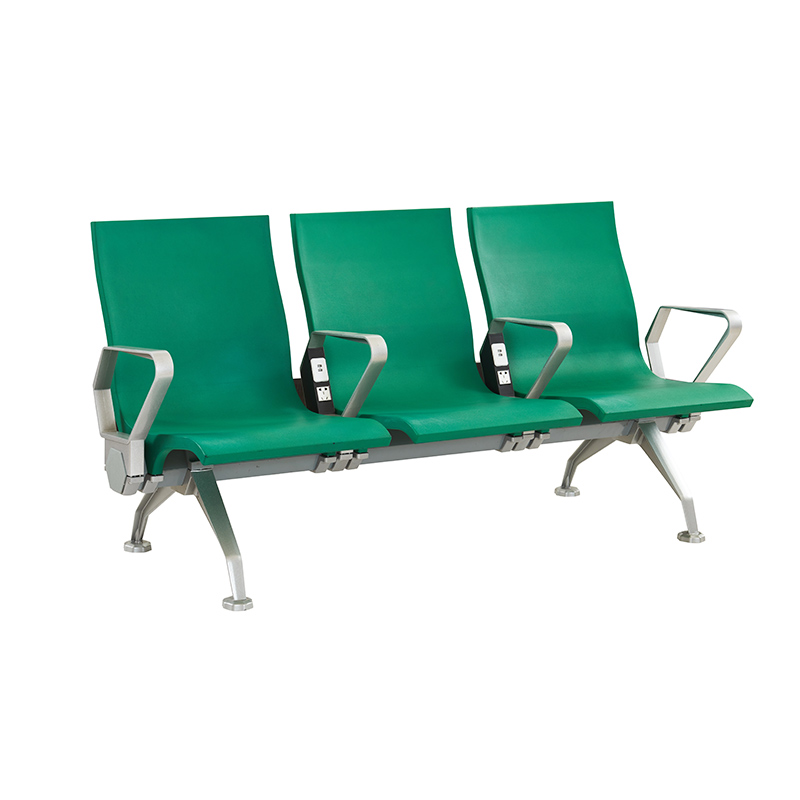

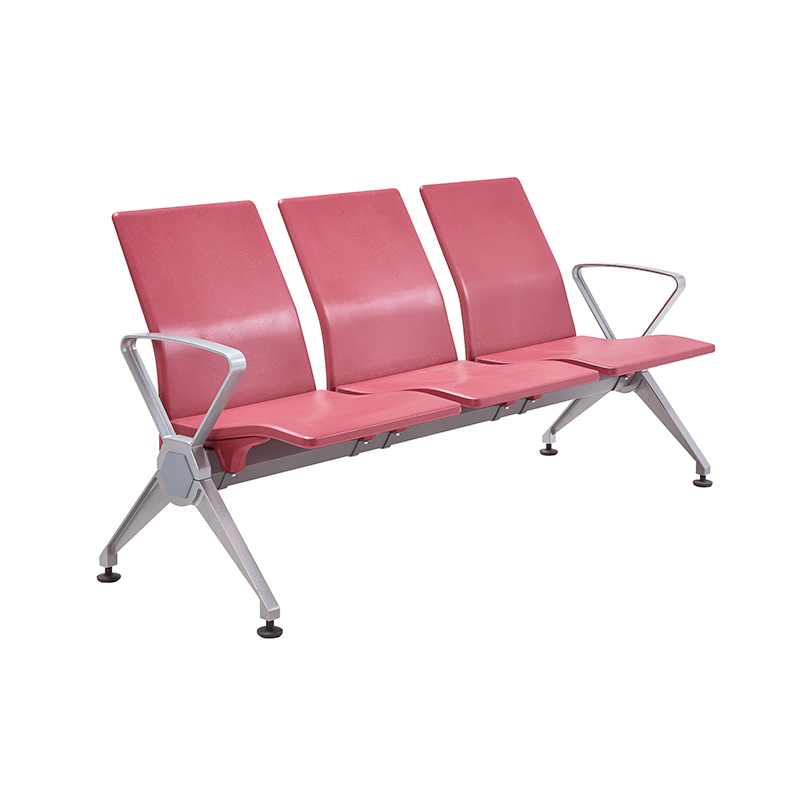
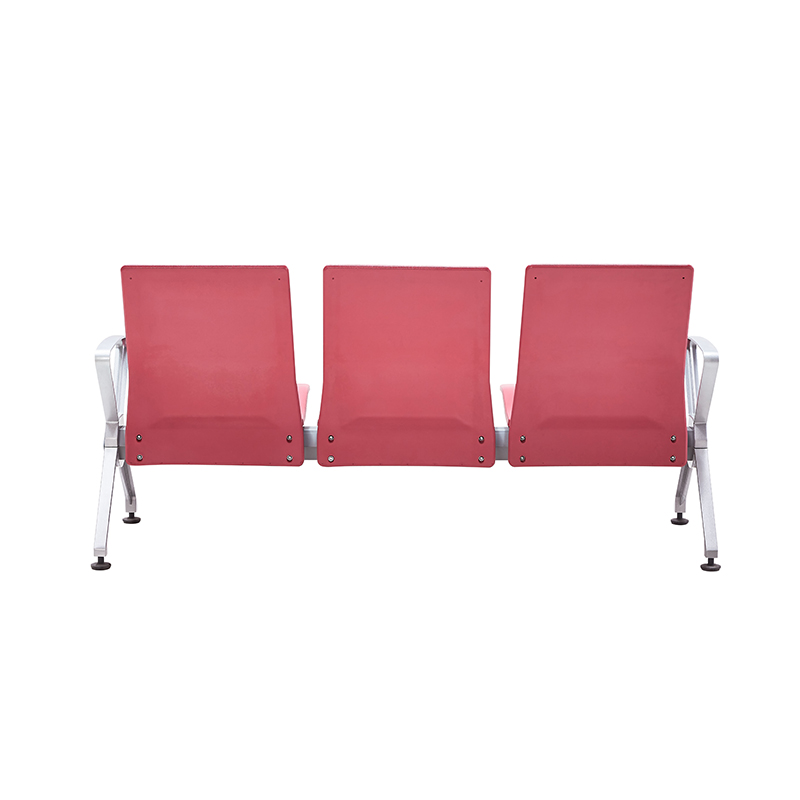
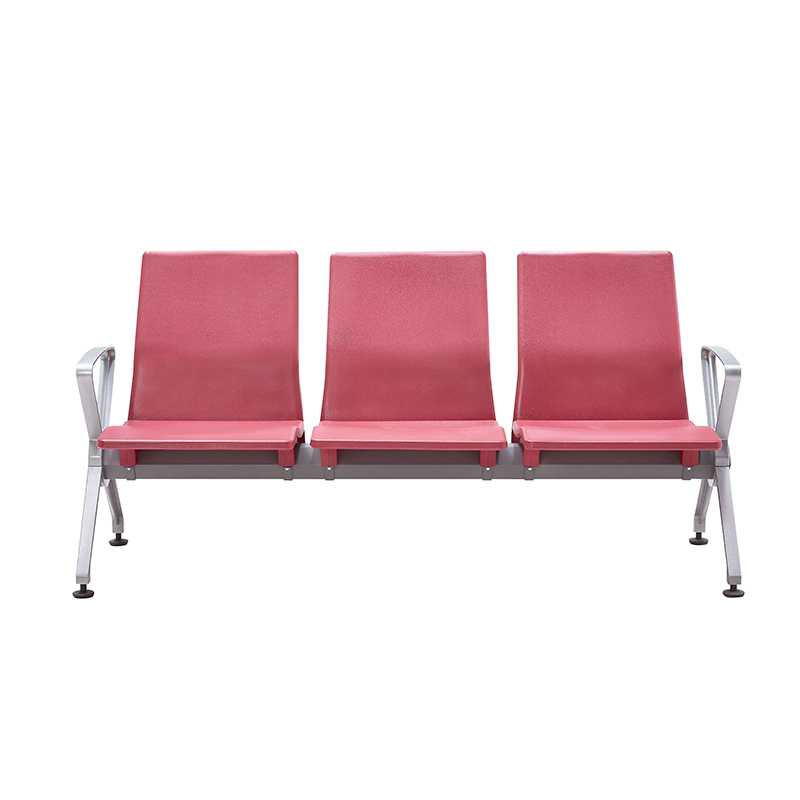
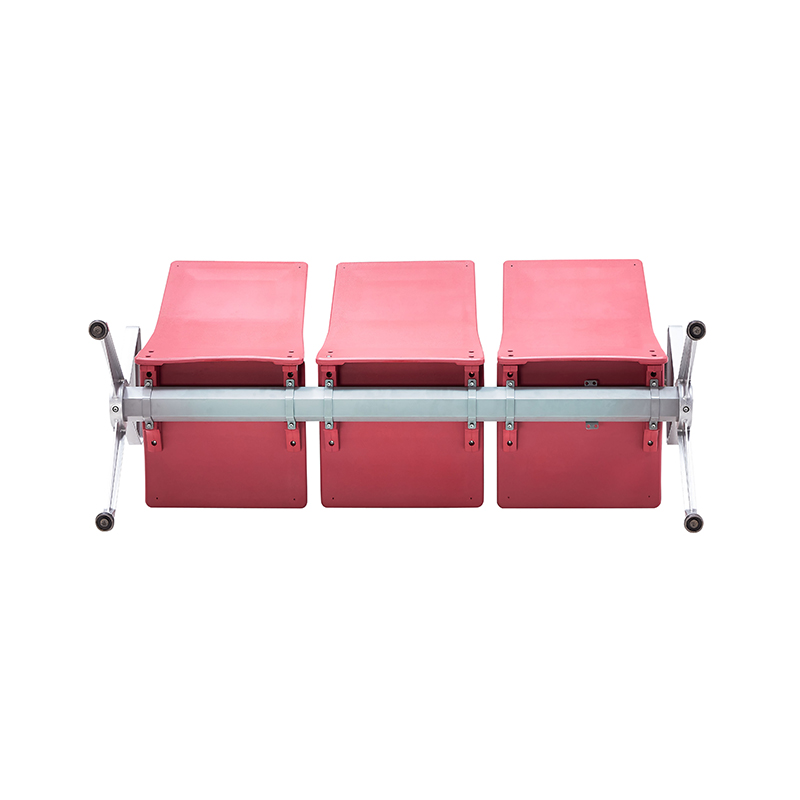

Airport waiting chairs are multi-seat public seating units designed for terminals and other high-traffic waiting zones where durability, clean appearance, and long sitting comfort all matter. This model uses a steel inner frame with PU seating, aluminum arms and legs, and a metal hexagonal beam structure, giving it a more stable commercial build than light-duty public benches. With 1 to 5 seat configurations and a modern modular layout, airport waiting chairs help create organized seating lines while keeping maintenance, cleaning, and daily passenger turnover easier to manage.
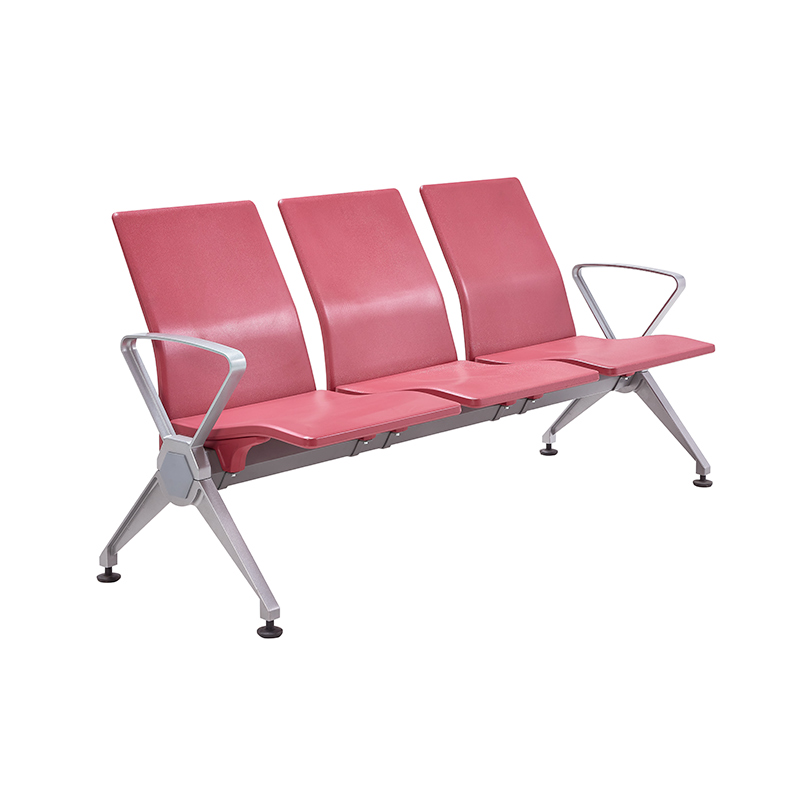
Airport Waiting Chairs parameter
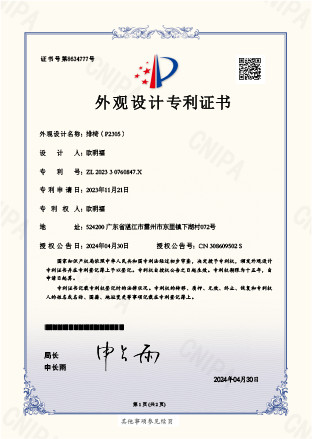
| Product Code: | P2105 |
| Material: | PU Within Steel Frame, Aluminum Arm&Aluminum Leg, Metal Hexagonal Beam |
| Type: | Commercial Furniture |
| Color: | Available In Multiple Colors |
| Specifications: | 1-5seater |
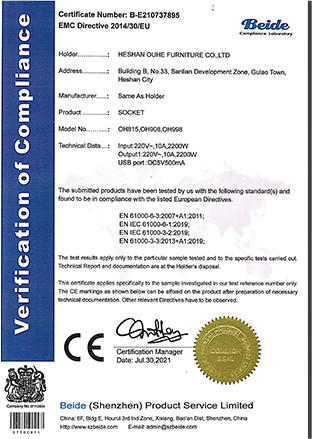
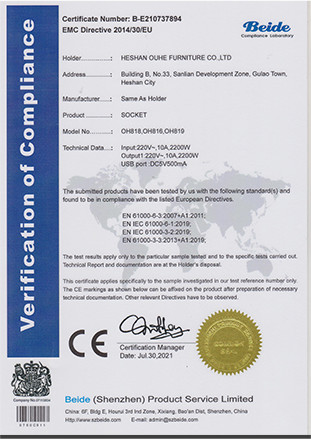
| Certification: | ISO,CE |
| Design Style: | Modern |
| Factory Nature: | China Exporter Wholesale Factory |

Airport Waiting Chairs features
1 、Robust Support
Airport waiting chairs use a steel inner frame combined with aluminum arms, aluminum legs, and a metal hexagonal beam, creating a stronger support structure for continuous public use. Compared with light public seating, this material combination improves frame rigidity while controlling overall weight for easier layout planning. The product is offered in 1-seater to 5-seater configurations, which gives project buyers a more flexible capacity range for different waiting zones without changing the overall structure standard.
2 、Comfort Focus
The seat is built with PU over a steel-supported structure, which helps balance firmness and sitting comfort in long waiting periods. PU surfaces are smoother and easier to maintain than many fabric alternatives, while the shaped seat and back profile support more natural body positioning during passenger dwell time. This matters in airport waiting chairs because seating must remain usable across repeated short and medium-duration occupancy cycles instead of only looking good in static layouts.
3 、Modular Capacity
A key advantage of these airport waiting chairs is the 1 to 5 seater specification, which allows planners to adjust seating density according to gate size, corridor width, and passenger flow. Smaller units fit compact waiting corners, while longer linked versions help standardize large terminal seating rows. This modular approach reduces mismatch between furniture size and usable floor area, and it supports more efficient project planning in phased installations or renovation work.
4 、Clean Finishing
The modern design style and multiple color options make airport waiting chairs easier to align with different terminal interior schemes without using overly decorative forms. Aluminum visible parts help maintain a cleaner commercial appearance, while PU seating surfaces are more practical for frequent wipe-down cleaning. In public waiting projects, surface consistency is important because visual wear appears quickly under heavy use, and a cleaner finish helps preserve a professional seating environment over time.
5 、Certified Quality
These airport waiting chairs are supplied with ISO and CE certification, which gives buyers a clearer basis for evaluating manufacturing consistency and product compliance in international procurement. Certification does not replace project testing, but it supports supplier credibility when public seating is sourced for transportation and institutional environments. For commercial furniture projects, certified production is often important because buyers need clearer documentation for quality control, tender review, and cross-border purchasing decisions.
1 、Airport Terminals
Airport waiting chairs are primarily used in terminal departure and arrival seating zones where passenger turnover is high and seating lines must remain orderly. In these areas, buyers usually need furniture that supports long daily operating hours and keeps its layout stable under repeated use. A multi-seat structure works well in terminal planning because it helps define clear waiting rows, improves space efficiency, and gives operators a more uniform seating solution for different boarding gate sections.
2 、Boarding Gates
At boarding gates, airport waiting chairs help create organized short-stay seating where passengers gather before final boarding calls. This application is different from general hall seating because occupancy changes quickly and seat access must remain simple. Multi-seat linked units help reduce random furniture movement and keep circulation areas more open. For gate-side planning, this type of seating supports cleaner passenger flow and allows facility teams to maintain a more controlled arrangement near boarding lanes.
3 、Transit Hubs
Airport waiting chairs are also suitable for broader transportation hubs such as integrated air-rail transfer centers and intermodal terminals. In these settings, seating must handle a mix of waiting times and user groups, from short transfer passengers to travelers carrying hand luggage. A modular 1 to 5 seat format helps planners adapt seating density to different transfer zones while maintaining one visual language across the project, which is useful for large public infrastructure environments.
4 、Business Lounges
In airport business lounges and premium waiting sections, airport waiting chairs can be used in secondary seating rows where operators need durable seating with a cleaner, more professional look. This application values order, surface quality, and long-term upkeep more than decorative styling alone. Seats with PU surfaces and aluminum components can fit lounge support areas where the furniture must remain presentable under frequent use and regular cleaning without requiring high-maintenance upholstery treatment.
5 、Public Service Areas
Airport waiting chairs also work well in public service counters and administrative waiting zones inside transportation buildings, such as ticket change areas, service desks, and document support sections. In these spaces, users usually wait for moderate periods and need seating that remains stable, easy to clean, and visually consistent with public facility interiors. The linked-seat format helps avoid scattered furniture placement and makes the waiting area look more structured, especially in compact service halls.
Airport Waiting Chairs FAQ
Q: Are airport waiting chairs suitable only for airports?
A: No. Although the keyword airport waiting chairs is strongly associated with terminals, this seating format is also suitable for bus stations, rail hubs, public service halls, and other commercial waiting environments. What makes it practical is not only the airport label, but the multi-seat structure, durable materials, and modular layout range from 1 seat to 5 seats, which fits many high-traffic public projects.
Q: Why is PU used on the seat surface instead of fabric?
A: PU is often selected because it is easier to clean in public seating environments where daily wipe-down maintenance is required. Fabric can look soft, but it usually needs more cleaning control in high-turnover spaces. For airport waiting chairs, PU offers a smoother maintenance routine and a more controlled surface appearance, which helps operators keep the seating area presentable under frequent passenger use.
Q: Can these airport waiting chairs be customized for different project sizes?
A: Yes. One of the practical strengths of this product is the 1 to 5 seater specification, which gives buyers more freedom to match seating length with site conditions. Smaller configurations can be placed in compact waiting areas, while longer versions are more suitable for open terminal rows. This flexibility helps reduce wasted space and supports more consistent project planning across different zones in the same facility.
Q: What should buyers focus on when selecting airport waiting chairs?
A: Buyers should pay attention to frame material, seat surface, seating capacity options, and whether the product is supported by recognized certification such as ISO and CE. In public projects, appearance alone is not enough. The structure must be suitable for repeated daily use, the surface must be manageable for maintenance teams, and the seat layout must fit real passenger flow rather than only showroom presentation.
HESHAN OUHE FURNITURE CO.,LTD, founded in 2013, is located in Heshan Jiangmen City, Guangdong Province. It is only one step away from shunde, the furniture capital of the world. So we have superior geographical location, convenient transportation and beautiful environment.