


How To Clean An Armchair?
An armchair in a home can be cleaned once in a while without much planning. In a public space, the situation is different. Waiting room seating in airports, offices, clinics, stations, and service halls is touched every day, often by a constant flow of visitors. That is why the question of how to clean an armchair matters far beyond simple housekeeping. It affects appearance, hygiene, maintenance cost, and how long the chair can stay presentable in daily use.
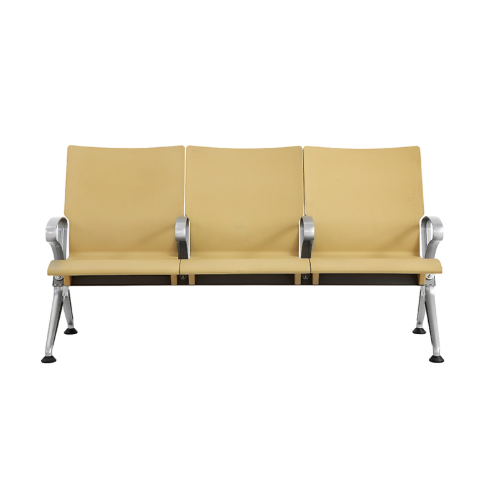
For commercial buyers, cleaning is part of the product decision. A chair may look good in photos, but if it is difficult to wipe down, collects dirt in hard-to-reach corners, or shows wear too quickly, the long-term operating cost rises. This is one reason many project buyers, distributors, and commercial furniture importers pay close attention to material and structure before placing an order. Our Waiting Room Armchair is designed for these high-use environments, so it offers a practical example of what makes cleaning easier in real-world use. With PU leather seating, a steel inner structure, aluminum alloy arms and legs, and a layout suitable for public waiting areas, it connects naturally to the topic of proper armchair care.
Why Proper Cleaning Matters In Commercial Seating
Cleaning an armchair is not only about removing visible dust. In shared environments, seating condition directly influences how people judge the whole space. A clean chair makes a waiting area feel more professional and better managed. A neglected one can make even a well-designed space feel outdated.
For buyers sourcing from a commercial seating supplier or Waiting Chair manufacturer, this becomes a practical concern. Maintenance teams need surfaces that can be cleaned quickly. Operators need chairs that hold up under frequent wiping. Distributors and project contractors need products that still look consistent after months of public use. This is why cleaning should never be treated as an afterthought. It is part of the performance of the chair itself.
Our waiting room armchair is suitable for this kind of environment because the material combination supports routine cleaning. PU leather is easier to wipe than many fabric surfaces, and the exposed metal parts can be maintained with a simple care routine. For buyers looking at OEM waiting chair options or ODM public seating projects, ease of cleaning is often one of the strongest practical selling points.
Start With The Right Cleaning Routine
The best way to clean an armchair depends on how often it is used and what kind of material it has. In public seating areas, heavy cleaning is not always necessary every day, but regular light cleaning is essential. Dust, hand marks, body oil, spilled drinks, and general surface buildup should be removed before they become harder to clean.
A simple routine usually works best. First remove loose dust and debris from the seat, back, and arm areas with a soft dry cloth or a vacuum with a brush attachment. This prevents particles from being rubbed deeper into the surface during wiping. After that, use a slightly damp soft cloth with a mild cleaning solution to wipe the chair surface gently. The goal is to remove residue without soaking the material.
For a PU leather armchair, it is important to avoid overly strong chemicals. Harsh cleaners may affect the surface finish over time. Mild soap diluted in water is often enough for regular maintenance. After wiping, use a clean dry cloth to remove remaining moisture. This keeps the surface neat and reduces the chance of water marks.
How To Clean PU Leather Armchairs Properly
PU leather is commonly chosen for waiting room armchairs because it offers a neat appearance and is easier to maintain than many textile coverings. In daily use, the surface can usually be cleaned with a soft cloth and gentle cleaner. This is one reason commercial furniture buyers often prefer it for high-traffic public interiors.
To clean PU leather well, begin with light dry dust removal. Then wipe the surface with a soft damp cloth. If there are body oil marks, drink stains, or routine dirt, use a weak soap solution rather than a strong solvent. Rub gently rather than scrubbing hard. Heavy force can shorten the life of the finish.
Drying matters too. A chair that is left wet after wiping may look streaked, and repeated moisture exposure is never ideal in long-term maintenance. The final step should always be a dry cloth wipe. In high-use facilities, this basic method is easier for cleaning staff to follow consistently.
For buyers comparing waiting room armchairs from different manufacturers, this kind of material is useful because it reduces cleaning time and supports a cleaner appearance through repeated service cycles. That is especially important in airport seating, reception spaces, and medical waiting areas where appearance standards stay high throughout the day.
How To Clean Metal Arms, Legs, And Structural Parts
An armchair used in public environments is not only cleaned at the seating surface. The metal arms, legs, and visible support parts also need routine care. Fingerprints, dust buildup, and accidental splashes often show on these areas, especially when the chair is used continuously.
Aluminum alloy arms and legs can usually be cleaned with a damp soft cloth and then dried immediately. If dirt has built up around joints or corners, use a soft brush or cloth edge rather than anything abrasive. Rough pads may damage the finish and make the chair look worn earlier than expected.
This is another advantage of a well-structured commercial armchair. When surfaces are smooth and the lines are clear, maintenance is faster. For project buyers sourcing from an Airport Chair manufacturer or public seating supplier, this kind of detail matters because it affects labor time over the life of the installation. A product that cleans quickly is often more valuable than one that only looks attractive at the start.
What To Avoid When Cleaning An Armchair
Cleaning mistakes can shorten the service life of a chair even when the intention is good. One common problem is using strong chemical cleaners without checking material compatibility. Another is using rough tools that scratch metal or wear down coated surfaces. Some maintenance teams also apply too much water, which may leave marks or collect in structural gaps.
It is also better not to let stains sit too long. In a busy waiting area, a small mark can turn into a maintenance issue if it is ignored for days. Fast light cleaning is usually more effective than occasional aggressive cleaning.
Buyers who work on wholesale seating projects, public furniture supply, or OEM chair development should keep this in mind when selecting materials. A chair that needs complex care instructions may not perform as well in real facilities. Simpler maintenance often means better long-term value.
Cleaning Frequency For Waiting Room Armchairs
How often an armchair should be cleaned depends on the traffic level. In low-use office rooms, basic weekly cleaning may be enough. In airports, hospitals, transport stations, and other heavy-use public spaces, surface wiping may be needed daily or even several times a day depending on the environment.
A good approach is to separate cleaning into levels. Light daily wiping keeps the chair neat. Weekly cleaning handles detail areas such as arm edges, joint lines, and lower frame sections. Periodic inspection helps identify scratches, loose fittings, or finish wear before they become bigger maintenance issues.
For commercial buyers, this links directly to procurement decisions. The more demanding the environment, the more important easy-clean materials become. That is why many buyers look for a reliable waiting chair manufacturer that understands high-frequency use rather than focusing only on shape or color.
Why Easy Maintenance Matters To B2B Buyers
For end users, a clean armchair simply looks better. For B2B buyers, cleaning affects the full operating picture. Easier maintenance helps reduce cleaning labor, supports a more consistent appearance across public areas, and lowers the chance of early replacement caused by neglected care.
This is especially relevant for importers, contractors, facility planners, and furniture distributors. They are not only choosing a chair for today. They are choosing how that chair will perform after months of public use. If a chair is difficult to maintain, complaints may come from the client even if the product looked impressive at delivery.
Our waiting room armchair is suited to these needs because the material mix supports regular cleaning and daily upkeep. For buyers seeking commercial seating supplier support, OEM Waiting Room Chair development, or ODM project seating solutions, that practical maintenance advantage is part of the real product value.
How Cleaning Connects To Product Selection
The question of how to clean an armchair is also a buying question. It encourages buyers to think beyond style and ask whether the chair is suitable for the real environment where it will be used. In high-traffic interiors, smooth surfaces, durable materials, and clear structural lines can make routine maintenance far easier.
This is one reason public seating buyers often prefer armchairs designed for transport hubs, offices, and institutional spaces. Products in this category are expected to handle repeated use and frequent care. When the chair is developed with those needs in mind, cleaning becomes simpler and the installation remains more presentable over time.
For a furniture manufacturer, supplier, or project partner, this is also where OEM and ODM value can matter. Some buyers need specific materials, finishes, seat counts, or branding details that fit their own markets. Maintenance needs should be part of that discussion from the start, not something discovered later.
Conclusion
Cleaning an armchair properly starts with understanding the material, the level of use, and the maintenance demands of the space. In public waiting areas, regular light cleaning, gentle products, and a simple repeatable routine usually work best. PU leather surfaces can be wiped down easily, while metal arms and legs can be kept neat with soft cloth care and regular drying.
For commercial interiors, easy maintenance is not a small detail. It affects appearance, operating efficiency, and long-term value. Our waiting room armchair is designed for these practical conditions, which makes it a strong option for distributors, project buyers, and commercial furniture partners looking for seating that is easier to maintain in daily use.
If you are selecting waiting room armchairs and want guidance on materials, cleaning performance, OEM customization, or ODM project solutions, feel free to contact us. We can help you match the right seating option to your market and provide practical support for your sourcing plan.
Previous: Where Can I Sell My Sofa Set?
Next: Where To Buy A Couch?