


How To Create Bench Seating?
Creating bench seating sounds simple, but in real projects it rarely is. Once seating goes into a public space, it has to deal with constant use, different user habits, and changing layouts over time. A bench that looks fine in a showroom can feel completely different after a few weeks in an airport, hospital, or service hall.
That is why most experienced buyers do not start by asking what the bench looks like. They start by asking how it will be used. In high-traffic areas, seating is part of how the space works, not just something placed in it.
Think About Movement First
Before choosing any seating, it is worth looking at how people move through the space. Where do they enter, where do they wait, and how long do they stay?
In waiting areas, seating should guide flow rather than block it. If a bench is too deep or placed in the wrong direction, it quickly creates congestion. This is something that becomes obvious only after installation, when people start using the space naturally.
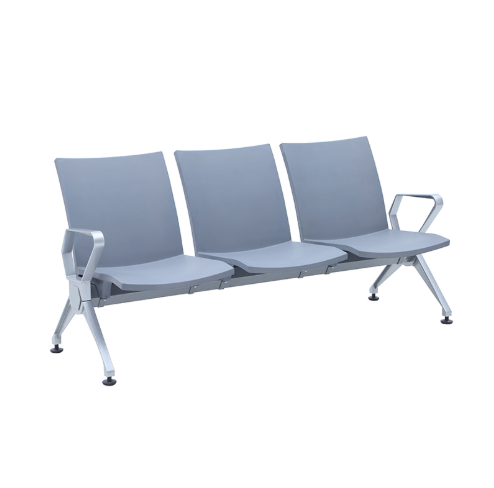
In places like airports or hospitals, seating lines are usually arranged to keep movement clear while still giving people enough room to sit comfortably. That balance is what defines good Waiting Room Bench Seating, not just how many seats are installed.
Modular Layout Makes Life Easier
One thing that becomes clear in real projects is that fixed layouts rarely stay fixed. A space may need to be adjusted later, or different areas may require slightly different seating lengths.
This is where modular bench systems are more practical. Instead of designing around one fixed size, the seating can be built up from smaller units and adjusted depending on the layout.
Our waiting area bench seating follows this idea, with configurations from single seats up to longer multi-seat rows. That kind of flexibility makes it easier for buyers to use the same product across different areas without changing the whole specification.
Structure Is Where Problems Usually Start
In public spaces, seating is used constantly. People sit down quickly, lean back, place bags, or shift their weight. If the structure is not strong enough, issues start to show very early.
What often happens is not immediate failure, but gradual instability. The seating may begin to feel loose or uneven, which affects how people perceive the space.
That is why structure matters more than surface appearance. A stable frame, well-supported seat base, and consistent load capacity make a bigger difference over time than small design details. Once the seating feels solid, users naturally trust it more.
Comfort Should Feel Natural, Not Designed
Public seating does not need to feel soft like a Sofa, but it should feel right when people sit down. The angle of the backrest, the height of the seat, and the overall balance all affect how long someone can sit comfortably.
If the seating is too upright, it feels rigid. If it is too relaxed, it becomes impractical in a waiting area where people need to sit and stand frequently.
A well-designed bench usually finds a middle point. It supports the body without forcing a posture, which is especially important in spaces where people may wait longer than expected.
Cleaning And Maintenance Are Part Of The Design
One thing that is easy to overlook at the beginning is how the seating will be cleaned. In high-use environments, this becomes a daily task.
If the surface is difficult to wipe or collects dirt in joints and corners, it quickly becomes a problem. This is especially true in hospitals, transport hubs, and public service areas.
That is why material choice matters. A smoother surface and a simpler structure make daily maintenance easier, and that directly affects how the product performs over time.
Installation Should Not Be Overcomplicated
Another issue that often comes up on site is uneven flooring. Even small differences in floor level can affect how stable the seating feels.
If the seating cannot adjust to these conditions, it may look fine but feel unstable. Small details like adjustable footpads can make a big difference here, helping installers fine-tune the setup without extra work.
This kind of detail is often overlooked during purchasing but becomes very important during installation.
Why Buyers Look Beyond Standard Products
In many projects today, buyers are not just looking for basic seating. They want something that fits their layout, their design direction, and sometimes their brand.
This is where supplier flexibility becomes important. Being able to adjust seat numbers, finishes, or configurations helps buyers create a more consistent space instead of mixing different products together.
For OEM and ODM projects, this matters even more. A seating system that can be adapted across different projects is far more useful than one fixed design.
Conclusion
Creating bench seating is not only about placing seats in a row. It is about understanding how the space works, how people use it, and how the product performs over time.
Good seating supports movement, stays stable with repeated use, and remains easy to maintain. In public environments, these factors matter far more than small design differences.
If you are sourcing waiting room bench seating for airports, hospitals, or commercial projects, we can help you review layout options, configurations, and OEM or ODM requirements. Share your project details with us, and we can help you find a seating solution that works better in real use.
Previous: How Do I Keep My Sofa From Sliding?