



How Do I Keep My Sofa From Sliding?
A Sofa that keeps moving every time someone sits down is more than a small annoyance. In real use, it affects comfort, makes the room feel untidy, and can even shorten the life of the furniture if the frame is constantly pushed, dragged, and repositioned. This happens more often on smooth flooring such as tile, laminate, polished concrete, or wood, where the contact between the sofa base and the floor is not strong enough to hold the piece in place. For buyers in hospitality, lounge projects, retail display, and public waiting spaces, this is not only a user problem. It is a product and procurement issue, because stability affects how the furniture is judged after installation.
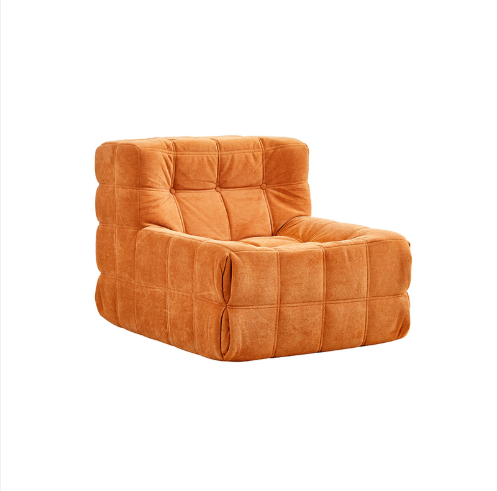
The first question should not only be how to stop movement. It should also be why the sofa is sliding in the first place. In many cases, the reason is a combination of floor surface, product weight, base structure, and how the seat is used. A lighter lounge chair or sofa with a smooth bottom may shift more easily than a heavier frame-based piece. That is why anti-slip pads and placement tricks can help, but the product structure still matters. This is where the waffle sofa fits naturally into the discussion, because it is built around a compressed sponge structure designed for support, resilience, and shape recovery after long-term compression. That kind of body construction changes how people evaluate stability, use comfort, and long-term placement in both home and commercial settings.
Start With The Real Cause Of The Movement
A sofa usually slides for one of three reasons. The floor is too smooth, the base does not create enough grip, or the user keeps pushing against the piece while sitting down or getting up. Many people try to solve the problem by adding weight or moving the sofa against a wall, but that only works in some spaces. In practical projects, especially commercial ones, the better approach is to match the product to the environment from the beginning.
This matters because not every sliding problem is really a floor problem. If the shape, softness, and body support of the seat do not match the use scenario, people shift more, lean more, and push harder when using it. Over time, that movement adds up. A sofa placed in a quiet reading area behaves differently from one used in a hospital waiting area, airport lounge, or office reception space. In those higher-traffic environments, stability is not optional. It becomes part of the overall product value.
Floor Type Changes Everything
Smooth flooring is one of the main reasons sofas move. On carpet, the fabric grip usually reduces motion naturally. On polished tile or wood-look flooring, even a well-designed seat can shift if the contact surface is too clean, too hard, or too flat. That is why anti-slip pads are such a common solution. They do not change the sofa itself, but they increase resistance between the base and the floor.
Still, floor grip alone is not the full answer. In many public or shared-use spaces, the furniture must also stay visually neat after repeated use. If the seat moves out of line every day, staff have to keep correcting it. That creates extra maintenance work and makes the space look less organized. For project buyers, this is exactly why stability should be considered before purchase rather than after complaints begin.
Softer Seating Still Needs Structural Support
One common misunderstanding is that a softer sofa will naturally stay put. In reality, a soft seat can move more if users sink too deeply and then push against the floor or arm area to get up. That is why the internal support of the seat matters as much as the outer appearance. A sofa should feel comfortable, but it should also hold shape well enough to support stable sitting and standing.
The waffle sofa is relevant here because it uses polymer compressed sponge as the main filler, with an overall waffle-inspired lattice shape and a structure intended to maintain elasticity, support, and tensile strength over time. That means the seating concept is not only visual. It is built around shape recovery and body support, which are useful characteristics when buyers are looking for seating that stays comfortable without quickly collapsing or losing form. In practical use, better structural resilience can also reduce the extra body movement that often contributes to sliding.
Placement Matters More Than People Think
Sometimes a sofa slides simply because it is placed in the wrong part of the room. A seat near a major walkway, close to an entrance, or used as a waiting point for short stays is likely to move more than one placed in a quieter corner. In commercial interiors, this becomes especially clear. Reception lounges, public waiting zones, and transitional seating areas often put more stress on furniture than private living rooms do.
That is one reason buyers should think beyond the product photo. The right sofa for a public place should be selected according to traffic level, cleaning frequency, expected sitting time, and whether users will treat it as a quick-stop seat or a longer rest point. The Waffle Sofa is positioned for a wide range of spaces including public places, airports, railway stations, hospitals, banks, government buildings, homes, hotels, restaurants, offices, and leisure venues. That broad application range shows why seating stability and ease of daily use matter so much in this category.
Anti-Slip Fixes Help, But Product Choice Matters More
Yes, anti-slip pads, floor grips, and rug placement can help keep a sofa from sliding. They are useful, inexpensive, and often effective. But for B-end buyers, these are not always the best long-term answer. A product that needs too many corrections after installation is harder to support in the market. It may still work, but it creates more follow-up questions and more dependence on local fixes.
That is why commercial buyers often look at the full seating behavior instead of one symptom. They ask whether the product holds shape well, whether the structure is stable, whether the material is suitable for repeated use, and whether the sofa fits the intended location. In many projects, these points matter more than any single anti-slip accessory. A good seating product should work with the space, not fight it.
Easy Maintenance Supports Long-Term Use
Another issue connected to sliding is maintenance. Furniture that shifts often usually needs more repositioning, and furniture that is touched and moved more also tends to get cleaned more often. That means maintenance should be considered part of the same conversation. A sofa that is easy to wipe down, easy to inspect, and easy to keep looking tidy is usually a safer choice for higher-use environments.
The Waffle Sofa is supported by maintenance guidance that recommends regular wiping with a soft cloth, cleaning minor stains with neutral detergent, and avoiding strong acid, alkaline, or abrasive cleaners. The same care advice also recommends keeping the product away from long-term direct sunlight and checking joints regularly for looseness. These details matter for buyers because they show the product is being positioned not only as a style piece, but as a seat expected to stay usable and presentable over time.
Why This Matters For OEM And ODM Buyers
For OEM and ODM customers, a sliding sofa is not just a user complaint. It can become a brand complaint. If the product enters a lounge program, hospitality line, or commercial seating range and then proves difficult to manage in real use, the problem affects more than one project. That is why buyers building private-label or project-based seating collections usually care about support, structure, and application fit from the start.
The Waffle Sofa is offered in multiple colors and positioned for both home furniture and commercial furniture, with the manufacturer identifying itself as an exporter, wholesale factory, and supplier. That matters because a buyer may want the same core shape adapted across more than one market or setting. In those situations, supplier communication and product-direction flexibility become part of the purchasing decision, even when the original user question sounds as simple as how to stop the sofa from sliding.
Conclusion
So, how do I keep my sofa from sliding? The most practical answer is to start with the cause. Check the floor surface, the placement, and how the sofa is being used. Add anti-slip support where needed, but also look at whether the seat itself has the right structure, resilience, and application fit for the space.
For buyers sourcing lounge seating for public spaces, commercial interiors, or branded furniture lines, that difference matters even more. A sofa should not only look good in a showroom. It should stay stable, stay comfortable, and stay easy to maintain after installation. If you are looking at seating projects and want to discuss configurations, color options, or OEM and ODM cooperation around the Waffle Sofa, share your project needs with us and we can help you review a more suitable direction for your market.
Previous: