



How To Make A Waiting Room Look Nice?
A waiting room does not need a big budget to look better. Most of the time, the difference comes from a few practical choices: the seating looks coordinated, the room does not feel crowded, and the materials still look clean after daily use. When those basics are handled well, the whole space feels more welcoming and more professional.
That is why seating matters so much. In many waiting areas, chairs take up the largest visual area in the room. If they look heavy, mismatched, or worn too quickly, the whole space feels tired. If they look clean and consistent, the room immediately feels more organized. Our commercial Waiting Chairs are made for that kind of environment, where appearance has to work together with daily use instead of fighting against it.
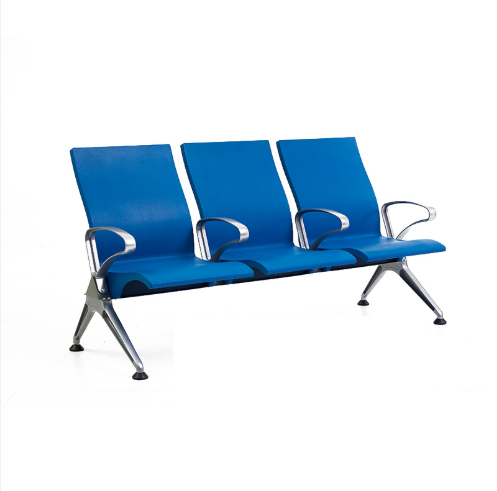
Start With Seating That Gives The Room A Clear Shape
A waiting room usually looks better when the seating feels planned. Random single chairs can make the room look temporary, while connected seating creates a steadier visual line. It helps the space feel more settled, especially in airports, hospitals, banks, office receptions, and other public areas where people notice order very quickly.
Armrests also make a visible difference. Many buyers prefer Waiting Room Chairs with arms because they help define each seat and make the row feel more complete. The room looks less bare, and the seating feels more deliberate. That is one reason this style works well in public projects. It gives the space a more finished look without needing extra decoration.
Keep The Layout Open, Not Packed
A lot of waiting rooms look unattractive for one simple reason: too many seats are pushed into too little space. Even good chairs can look wrong when the layout feels tight. People need enough room to move, sit down comfortably, and wait without feeling crowded by the next person.
A nicer waiting room usually has better spacing, not just more seating. In some spaces, a two-seat or three-seat setup looks more balanced than trying to force in a longer row. In larger areas, longer linked seating works well because it keeps the room looking clean instead of scattered. The point is not to fill every corner. The point is to make the room feel calm.
Choose Materials That Still Look Good After Use
This is where many projects go wrong. The furniture may look fine at the beginning, but after a few months the surface starts to look dull, dirty, or worn. Once that happens, the whole waiting area loses its appeal, even if the room is otherwise well designed.
That is why easy-care materials matter so much in commercial seating. A chair for a waiting area should not only look good in product photos. It should still look presentable after constant use. This is especially important in hospitals, schools, transit areas, and offices where cleaning happens often and traffic is steady. When the material is easier to wipe down and less likely to show damage too quickly, the room keeps its clean appearance for longer.
Let Comfort Help The Space Look Better
A waiting room can look stylish and still feel uncomfortable. People notice that very quickly. If visitors keep shifting, standing up after a short time, or avoiding certain seats, the room starts to feel less welcoming no matter how modern it looks.
Comfort changes the visual impression more than people think. When chairs have a better seat shape, proper support, and a more solid feel, the whole space looks more thoughtful. That is one reason commercial seating should never be chosen by appearance alone. In a real waiting room, comfort is part of the design.
Make Color Work With The Room, Not Against It
Color choice can improve a waiting room or make it feel disconnected. In some spaces, neutral tones work best because they keep the room calm and easy to maintain. In others, a stronger color can help the seating feel more intentional and better matched to the brand or interior style.
The best result usually comes from restraint. One clear color direction is enough. When the seating, floor, wall tone, and reception area feel related, the room looks more polished. When every element seems to come from a different idea, the room feels unfinished. Buyers often underestimate this point, but color consistency is one of the easiest ways to make a waiting area feel more expensive than it is.
Match The Seating To The Type Of Space
Not every waiting room should feel the same. An airport seating area needs a more efficient and durable look. A hospital waiting room needs to feel cleaner and calmer. A bank or office reception often benefits from a more formal appearance. A hotel waiting area may need to feel softer and more refined.
That is why versatile commercial seating is useful for project buyers. One product line can work across different spaces when the size, color, and seat arrangement are chosen well. For distributors and contractors, this makes product planning easier too. It is much easier to work with one dependable seating range than to source different chair styles for every project.
Think Beyond The First Installation
A room may look nice on installation day and still become disappointing later if the furniture does not hold up. Loose parts, surface wear, and uneven quality between orders all show up very quickly in waiting areas. This is one of the main concerns for commercial buyers, even if it is not the first thing discussed.
That is also why supplier capability matters. Buyers are often not choosing chairs for one room only. They may be furnishing a clinic chain, a group of office receptions, a hotel project, or a transport space. In those cases, stable supply, consistent finish, and repeatable quality matter just as much as design. OEM and ODM support can also be useful when buyers need a different color direction, branded programs, or a seating plan that fits a larger project line.
A Nice Waiting Room Usually Feels Simple
The best waiting rooms are often not the most decorated. They simply feel well arranged. The seating fits the room. The materials are easy on the eye. The space does not feel noisy or overdone. People can sit, wait, and move through the area without friction.
That kind of result usually comes from choosing the right seating first. Once the chairs feel right for the room, the rest becomes much easier. The room does not need to try hard to look good. It just feels more settled.
Conclusion
So, how to make a waiting room look nice? Start with seating that gives the room structure, keep the layout open enough to feel comfortable, and choose materials that can stay presentable under real daily use. A nicer waiting room is usually not about adding more things. It is about making better choices with the pieces that matter most.
Our Commercial Waiting Chairs are suited to public spaces that need a cleaner look, easier maintenance, and more flexible seat planning. If you are working on an airport, hospital, office, bank, hotel, school, or other reception project, send us your layout idea or seat configuration needs. We can help you match a more practical seating solution for your market and your project style.