


What Are The Latest Trends in Office Furniture?
Office furniture is changing in a very obvious way. Buyers are moving away from spaces that feel stiff, overbuilt, and purely functional. The newer direction is softer, more flexible, and much closer to the way people actually use offices now. Reception areas, lounge corners, waiting spaces, and short meeting zones are getting more attention because they shape first impressions and daily experience at the same time.
One of the clearest shifts is that offices are starting to borrow more from hospitality design. Instead of placing a few formal chairs in a front area and calling it finished, more companies want reception spaces that feel relaxed, tidy, and welcoming. That is why Sofas, lounge seating, warmer finishes, and better spacing are showing up more often in modern office projects. This is also where office reception furniture matters more than before. It is no longer just about filling a corner. It is part of the brand image, part of visitor experience, and part of the working atmosphere.
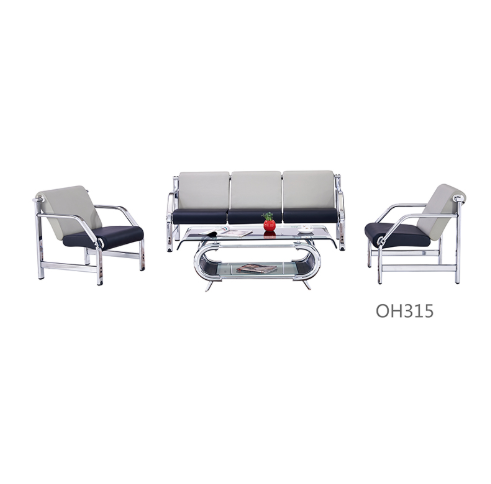
Our modern reception area seating fits naturally into this direction. It is designed as modular lounge seating for front desk and reception spaces, with single-seat, two-seat, and three-seat options, multiple colors, PVC leather upholstery, high-density foam filling, and a commercial structure meant for public-use areas. That makes it easier for buyers to build a reception zone that feels softer and more organized without losing the durability expected in business settings.
Hospitality Style Is Replacing Cold Corporate Style
A lot of offices used to separate reception from comfort. The front area looked formal, but it did not always feel inviting. That is changing. Companies now want reception spaces that feel more human from the first step inside. Softer seating, cleaner layouts, and more comfortable finishes are becoming a normal part of workplace planning.
This is not only about style. It is also about how companies want people to feel. A client, visitor, or job candidate often forms an opinion before any conversation starts. If the reception area feels harsh, crowded, or outdated, the whole office can seem less thoughtful. If it feels calm and well arranged, the space immediately looks more current.
That is why lounge-style seating is growing in office use. It helps the room feel settled instead of temporary. It also makes reception furniture feel like part of the interior, not an afterthought.
Flexible Layouts Matter More Than Fixed Setups
Another strong trend is flexibility. Offices do not use space in one rigid way anymore. The same area may serve as a reception zone in the morning, a short waiting space in the afternoon, and an informal conversation area throughout the day. Furniture that can only suit one exact layout is becoming less attractive.
Modular seating works well in this kind of environment because it gives buyers more control. A smaller office may choose a single-seat or two-seat setup to keep the room open. A larger front desk zone may use three-seat combinations to create a stronger visual anchor. The point is not just to add more seats. The point is to make the space easier to shape.
Our seating range supports that kind of planning. Buyers can work with different seat counts and color directions while keeping one consistent look. For project buyers, contractors, and distributors, this is useful because it makes reception planning easier across different room sizes.
Comfort Is Now Part Of The Visual Standard
Office furniture trends are no longer driven by appearance alone. People expect comfort to be visible. If seating looks too rigid, too narrow, or too hard, the space can feel unwelcoming even before anyone sits down. This is especially true in reception zones, where furniture is often used for short waits, informal talks, or momentary breaks.
That is one reason cushioned commercial seating is becoming more common in front-of-house office areas. A reception sofa with better support and a softer profile helps the room feel more balanced. It also fits the wider move toward workplaces that feel more people-centered instead of purely task-centered.
For buyers, this matters because a chair or sofa that looks good but feels awkward quickly becomes a weak point. In real use, comfort affects how long the space stays attractive.
Easy Maintenance Has Become A Design Requirement
A reception area may look excellent on installation day, but that does not mean it will still look good after months of use. In commercial interiors, one of the biggest buying concerns is whether the furniture stays presentable. This is especially true in offices with regular visitor traffic, shared use, or centralized cleaning routines.
That is why easy-care materials matter so much. A smooth surface, stable upholstery, and a structure that can handle repeated use all help a reception area keep its look over time. This is not a small detail. For many B-end buyers, maintenance cost and replacement frequency are just as important as first impressions.
Our product is built with PVC leather and a durable commercial frame, which helps it suit this type of environment. The goal is not only to look modern in photos. The goal is to keep the space looking clean and consistent through daily use.
Buyers Want Furniture That Supports Brand Image
Another clear change in office furniture is that companies want their interiors to feel more aligned with their identity. Neutral corporate furniture still has a place, but more buyers now want a reception area that reflects the tone of the business. In some offices that means soft and understated. In others it means sharper lines, darker tones, or more defined seating forms.
This is why color choice and finish flexibility have become more important. Our reception seating comes in multiple colors, which gives buyers more room to match the furniture with flooring, wall tones, logo colors, or the wider interior plan. For distributors and project suppliers, that flexibility also makes the product easier to position across different market types.
Supplier Stability Matters More Than A Single Nice Sample
A lot of office furniture looks good in one showroom photo. That is not the difficult part. The difficult part is keeping the same look and quality when the order gets larger, when projects repeat, or when multiple sites need the same standard. This is where many buyers become more cautious.
For commercial procurement, the real question is often whether the supplier can maintain consistency in structure, finish, seat comfort, and delivery rhythm. That is especially important for reception furniture because these spaces are highly visible. Uneven quality shows up quickly.
This is also where OEM and ODM support can be useful. Not every project needs deep customization, but many buyers still want practical flexibility such as color matching, seat combination planning, or product adjustments for a wider commercial furniture line. A supplier that can support that process is more valuable than one that only offers a fixed standard item.
Conclusion
So, what are the latest trends in office furniture? The clearest answer is that offices are becoming softer, more flexible, more comfort-focused, and more conscious of first impressions. Reception areas are no longer treated as spare space. They are becoming an important part of workplace design, which is why office reception furniture now plays a much bigger role in both layout and brand presentation.
Our modern reception area seating is made for that shift. It gives buyers a practical option for offices that want a cleaner look, a warmer front area, and seating that can work across everyday commercial use. If you are planning a reception project, sourcing for an office upgrade, or looking for a supplier that can support repeat orders as well as OEM or ODM cooperation, send us your layout idea or seat requirements. We can help you sort out a more suitable solution for your market.
Previous: