



How Can Commercial Waiting Room Chairs Stop Hygiene Issues and Infection Control Failures?
In hospitals, clinics, outpatient centers, and medical reception areas, seating is never just about giving people a place to sit. It is part of the daily hygiene routine, part of infection control, and part of how patients judge the environment around them.
When Waiting Room Chairs are hard to clean, have too many dirt-trapping gaps, or wear out too fast under constant disinfection, the problem goes beyond appearance. Surfaces become harder to maintain, cleaning takes longer, and the waiting area can start to feel less safe than it should. For healthcare spaces, that is a serious issue.
That is why more project buyers and facility managers are paying closer attention to hospital waiting room chairs. The right seating can help support easier cleaning, better surface hygiene, and more stable long-term performance in high-traffic medical environments.
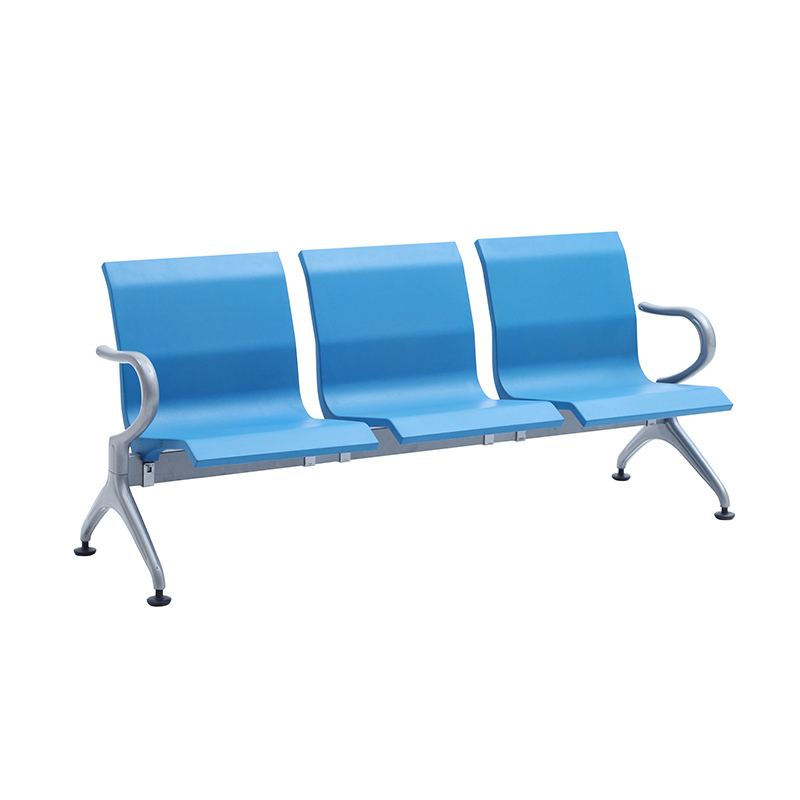
Our 3 Seater Reception Chair is designed around that kind of practical use. It combines a metal structure, easy-clean seating surface, and a layout that works well for public waiting areas where hygiene, durability, and maintenance efficiency all matter.
Why Waiting Area Seating Matters In Infection Control
In a medical environment, high-touch furniture is part of the hygiene challenge every day. Patients, visitors, and staff use the same seating repeatedly. If surfaces are hard to wipe, if the structure traps dust and residue, or if material damage appears too early, infection control routines become harder to maintain.
That is one reason seating selection matters much more in hospitals than in many other public spaces. The chair is not just there to fill a lobby or reception zone. It needs to support frequent cleaning, regular disinfection, and repeated use without becoming a maintenance burden.
A good set of hospital waiting room chairs helps reduce that pressure. It gives cleaning teams a more workable surface, helps the space stay more orderly, and makes it easier for the facility to maintain a professional and hygienic appearance throughout the day.
Why Easy-Clean Surfaces Make A Real Difference
In healthcare settings, surface maintenance cannot be complicated. Staff need to wipe seating quickly, thoroughly, and repeatedly. If the material is too absorbent, too textured, or too difficult to disinfect, the whole process slows down.
Our waiting room chair uses a PU-covered seating structure that is better suited to daily cleaning and disinfection work. It gives the chair a smoother and more practical surface for public environments where regular wipe-down is part of standard operation.
That matters a lot in waiting zones, outpatient halls, and infusion areas. These spaces need furniture that can support repeated cleaning without quickly looking worn or becoming difficult to manage. A chair that is easy to wipe clean saves time for staff and helps the environment feel more controlled and reliable.
For B-end buyers, this is one of the biggest reasons to look closely at material selection instead of only focusing on purchase price.
Why Strong Structure Also Supports Hygiene Management
Hygiene problems are not always caused by the surface alone. Sometimes the issue is structural. If the frame becomes loose, if parts deform under long-term use, or if the chair starts to feel unstable, maintenance becomes harder and the waiting area starts to look neglected.
Our 3 Seater Reception Chair uses a steel inner frame with a pentagonal beam structure designed for high-traffic public use. A more stable structure means the chair is better able to keep its shape and function over time, even in busy medical spaces with constant daily use.
This matters because healthcare buyers do not want furniture that needs repeated repair or early replacement. They need seating that keeps performing while still supporting regular cleaning and public-facing presentation. In real hospital operations, durability and hygiene are closely linked. A chair that stays structurally sound is also easier to keep looking clean, orderly, and well managed.
Why Multi-Seat Layouts Work Better In Medical Public Areas
Hospitals and clinics need waiting room seating that supports order as well as comfort. Individual loose chairs can create cleaning gaps, uneven spacing, and more layout disruption in high-traffic areas. A connected multi-seat design often works better because it creates a more stable seating arrangement and simplifies floor management.
Our Waiting Chair series supports 1 to 5 seat configurations, which gives project buyers flexibility when planning different waiting areas. A 3-seater option is especially practical for hospital lobbies, reception zones, and outpatient areas where seating needs to balance capacity, order, and easy maintenance.
For facility managers, this type of configuration also helps cleaning teams move through the area more efficiently. The layout stays more consistent, and the public space looks more controlled even during busy periods.
That is one reason hospital waiting room chairs are often selected as part of a full medical furniture solution rather than treated as ordinary public seating.
Why Medical Buyers Care About Long-Term Cleaning Performance
It is easy for a chair to look acceptable when it is new. The real question is how it performs after months of use, cleaning, and disinfection.
In healthcare environments, waiting area furniture is cleaned far more often than standard office seating. If the finish fades too quickly, if the surface becomes harder to clean, or if scratches and wear start to affect appearance, the chair quickly becomes a problem for both housekeeping and facility image.
Our product is built for repeated public use, with metal surfaces treated for better wear resistance and a seat surface designed to stay practical under regular cleaning routines. This makes it easier for hospitals, clinics, and medical project buyers to choose seating that does not create avoidable upkeep pressure too soon.
For procurement teams, that is important because medical furniture is expected to perform over time, not only during handover or installation.
Comfort Still Matters In Healthcare Spaces
Hygiene is critical, but patient comfort should not be ignored. Waiting areas are stressful enough without seating that feels hard, awkward, or tiring.
A chair used in hospitals or clinics should support a more comfortable sitting posture while still remaining easy to clean and durable enough for commercial use. Our waiting chair is designed to provide practical support for public waiting use, helping make the seating experience more acceptable for people who may already be uncomfortable or anxious.
This matters for reception spaces, outpatient halls, and other healthcare environments where patients may need to sit for extended periods. Better seating does not solve every waiting room problem, but it does improve how the environment feels, and that matters in medical spaces where trust and reassurance are part of the experience.
Why Project Buyers Need More Than A Basic Quote
Healthcare procurement is rarely about buying one chair at a time. Buyers are often planning full waiting zones, multiple departments, or repeat orders across projects. That means they need stable quality, configurable seating counts, practical maintenance value, and a supplier that understands public-use requirements.
Our waiting chair line is positioned for this kind of commercial supply. It supports multiple seat configurations, standardized production, and project-oriented use across medical and public waiting spaces. For distributors, contractors, and medical furniture buyers, that creates a more reliable sourcing option than low-cost seating that may not hold up under real use.
When buyers choose hospital waiting room chairs, they are not just choosing a seat. They are choosing how the public area will function every day after installation.
Conclusion
In medical waiting areas, hygiene issues and infection control failures often start with everyday surfaces that are touched, cleaned, and used again and again. Seating is one of those surfaces, which is why choosing the right chair matters far more than many buyers expect.
A well-designed set of hospital waiting room chairs can help healthcare spaces improve cleaning efficiency, support better hygiene control, and reduce the maintenance pressure that comes from weak or hard-to-clean seating. Our 3 seater reception chair is built for that kind of use, combining easy-clean surfaces, durable metal structure, and practical multi-seat design for busy public environments.
If you are sourcing waiting room seating for hospitals, clinics, healthcare projects, or OEM and ODM programs, feel free to contact us. We can help you review the right seating configuration, finish direction, and supply plan so your project gets a solution that works better in real daily use.