



What Buyers Look for in Public Seating Suppliers?
Public seating is used every day in places where people wait, rest, move, and gather. For airports, hospitals, clinics, government buildings, schools, transport stations, shopping malls, and office lobbies, seating is not only furniture. It affects space planning, user comfort, cleaning workload, safety, and long-term maintenance cost.
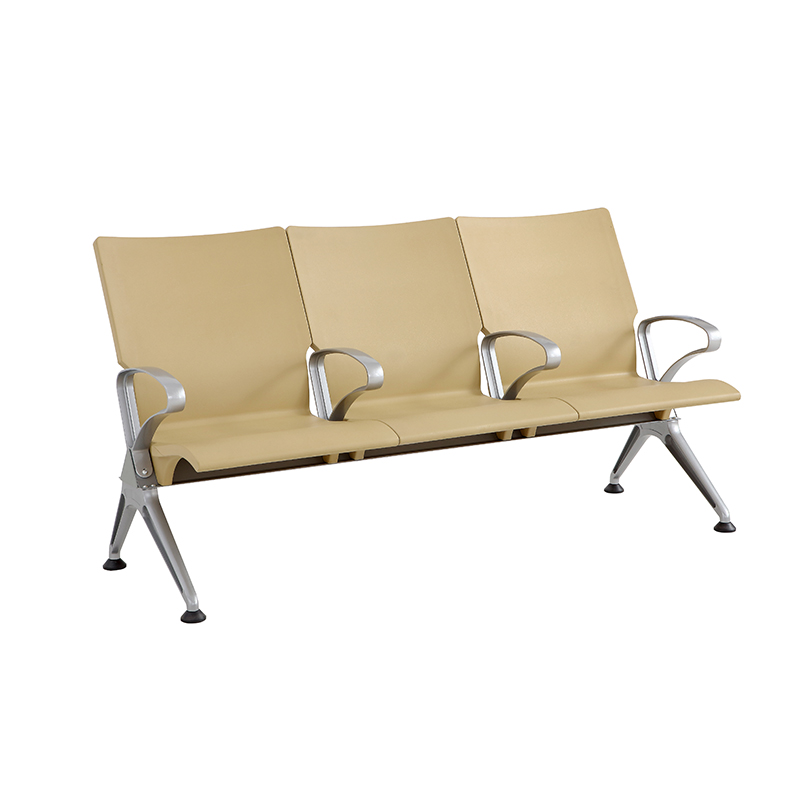
When buyers choose suppliers for reception area chairs, they usually look beyond price. They need stable quality, suitable structure, practical materials, project support, and reliable bulk supply. Our Waiting Room Armchair is designed for public waiting areas where durability, comfort, and clean appearance are important for daily use.
Stable Structure for High-Traffic Spaces
Public seating must handle frequent use from different users throughout the day. In airports, hospitals, and service centers, chairs may be occupied for long hours, moved by cleaning teams, or used by people with different body weights and sitting habits. A weak structure can lead to shaking, deformation, loose armrests, or early replacement.
Buyers usually check whether the seat frame is strong enough for long-term public use. Metal legs, stable armrests, and reinforced support points help reduce damage in busy environments. For project buyers, this is important because replacing chairs after installation adds cost and affects the professional image of the space.
Comfort That Supports Longer Waiting Time
Waiting areas often involve delays, queues, and long sitting periods. A chair that looks good but feels uncomfortable can create a poor experience for visitors. For hospitals, clinics, office reception areas, and transport terminals, comfort can influence how people feel about the whole facility.
Good public seating should support the back, offer enough seat width, and provide armrests that make sitting and standing easier. Our Waiting Room Armchair is suitable for reception spaces where visitors need a stable and comfortable seat without making the area look crowded.
For buyers, comfort should be balanced with durability. Soft seating that is hard to clean may not suit heavy public use, while overly rigid seating may reduce user satisfaction. The right supplier should help match the seat design with the actual application.
Easy Cleaning and Lower Maintenance Cost
Maintenance is a major concern for B-end buyers. Public seating is exposed to dust, stains, shoes, luggage, food, drinks, and high-frequency contact. If the surface is difficult to clean, facilities teams spend more time maintaining the area.
Buyers often prefer seating with smooth surfaces, simple gaps, and materials that can be wiped easily. This helps keep waiting areas presentable with less labor. In hospitals and public service centers, easy cleaning also supports better hygiene management.
For bulk orders, maintenance cost can become more important than the unit price. A slightly cheaper chair may cost more over time if it stains easily, breaks often, or requires frequent replacement.
Space Planning and Layout Flexibility
Different projects need different seating layouts. A small clinic may need compact Waiting Chairs near the entrance. An airport lounge may need rows of fixed public seating. An office lobby may prefer a cleaner and more welcoming arrangement.
Buyers look for suppliers who can support different layout needs. Seat size, armrest design, leg structure, spacing, and color all affect how the seating fits the space. For reception area chairs, buyers often need a balance between comfort and space efficiency.
For large projects, consistent dimensions also help contractors plan installation and placement more accurately. This reduces layout problems during project delivery.
Material Choice That Fits the Environment
The best material depends on where the seating will be used. Metal structures are suitable for high-traffic public spaces because they provide strong support and better durability. Seat surfaces should match the environment, cleaning frequency, and design style.
For transport stations and public halls, strength and easy maintenance usually come first. For office reception areas, clinics, and commercial lobbies, appearance and comfort may carry more weight. A reliable supplier should help buyers select materials based on actual use instead of offering only one standard option.
OEM / ODM customization can also support different markets, including color selection, size adjustment, packaging design, and project-specific requirements. This is useful for importers, wholesalers, contractors, and furniture distributors who serve different customer groups.
Reliable Bulk Supply and Project Support
For public seating projects, buyers need more than sample approval. They need stable production, consistent color, controlled dimensions, protected packaging, and clear communication. A small issue in one chair can become a large problem when the order includes hundreds or thousands of seats.
A good supplier should support:
Stable batch quality
Clear product specifications
Practical packaging for shipping
Custom color or finish options
Bulk order communication
Support for project purchasing needs
This helps buyers reduce risk and complete projects more smoothly.
Conclusion
Buyers look for public seating suppliers that can provide durability, comfort, easy maintenance, layout flexibility, suitable materials, and reliable bulk supply. For commercial and public spaces, the right chair should solve real usage problems, not only fill an empty area.
Our reception area chairs are suitable for waiting rooms, office lobbies, hospitals, clinics, airports, service centers, and commercial reception spaces. They support B-end buyers who need practical seating for high-use environments with OEM / ODM options and bulk supply support.
For seating layout advice, material selection, color matching, packaging details, or project order guidance, you can share your application scenario with us. We can help you choose suitable public seating solutions for your market and project needs.