


Which Medical Recliners Deliver Best Infection Control for Busy Hospital Environments?
Busy hospital environments need seating that is comfortable, durable, and easier to keep clean. In outpatient waiting areas, infusion waiting zones, family lounges, consultation areas, and hospital reception spaces, chairs are used by many people every day. If the seating surface is hard to clean, has too many gaps, or wears out quickly, it can increase cleaning pressure and affect the overall impression of the facility.
For project buyers choosing a hospital recliner chair, infection control should not only focus on the chair shape. It should also consider surface material, frame structure, cleaning access, layout flexibility, and long-term durability. Our airport lounge chairs can be adapted for hospital waiting and healthcare reception areas where comfortable public seating is needed, especially in spaces that require a cleaner look and easier daily maintenance.
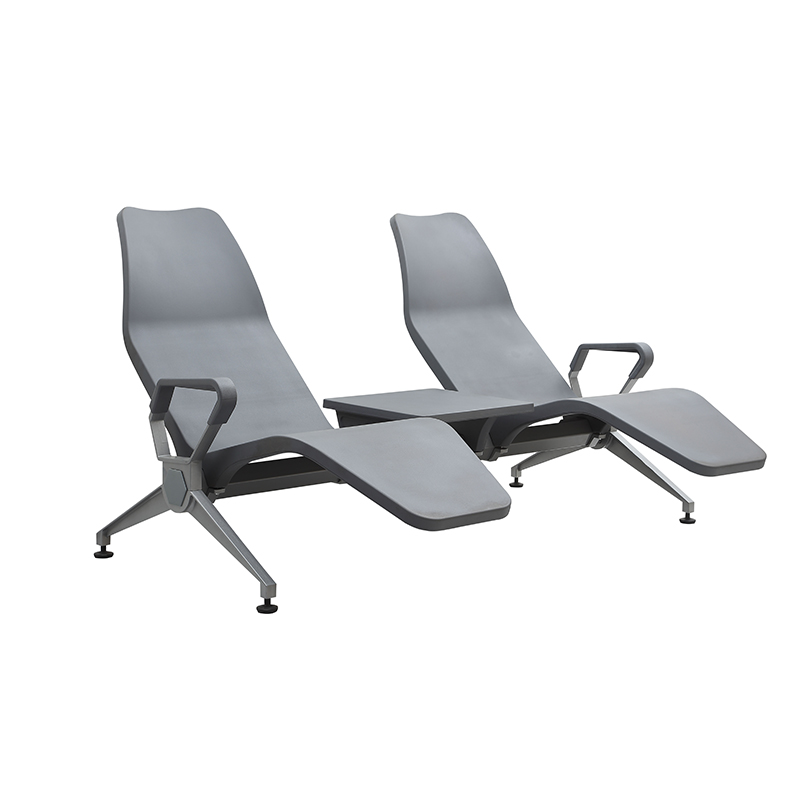
Product Specifications
| Item | Details |
|---|---|
| Product Code | P2001 |
| Material | PU Within Steel Frame |
| Arm Material | Aluminum Arm With PU Plastic Covered |
| Leg Material | Aluminum Leg |
| Beam Structure | Metal Hexagonal Beam |
| Seating Options | 1-3 Seater |
| Color | Multiple Colors Available |
| Type | Commercial Furniture |
| Certification | ISO, CE |
| Design Style | Modern |
Cleanable Surfaces Matter In Hospital Seating
Hospital furniture must support frequent cleaning. Fabric surfaces may absorb stains, moisture, and odor more easily, making them less practical for high-traffic healthcare areas. A PU surface is easier to wipe and maintain, which helps cleaning teams work faster between busy patient flows.
Our products provide PU seating over a steel frame structure, making the chair more suitable for public environments that need repeated cleaning. For hospitals, clinics, rehabilitation centers, and medical reception areas, a smooth surface can help reduce cleaning difficulty and support a more controlled environment.
A good seating choice does not replace hospital cleaning protocols, but it can make daily cleaning work easier and more consistent.
Strong Structure Reduces Long-Term Maintenance Problems
In busy hospitals, Waiting Chairs are used all day by patients, families, visitors, and staff. Weak frames can loosen, shake, or deform after long-term use. Once seating becomes unstable, the facility may face repair work, replacement cost, and complaints from users.
Our lounge chairs use a steel frame, aluminum arm, aluminum leg, and metal hexagonal beam structure. This combination supports stable daily use in public seating areas. For hospital project buyers, durable structure is part of cost control because it helps reduce frequent replacement and maintenance interruptions.
In healthcare environments, stability also improves user confidence. Patients and elderly visitors need seating that feels secure when sitting down or standing up.
Fewer Loose Chairs Help Improve Waiting Area Control
In hospital waiting areas, layout affects both comfort and cleaning efficiency. Too many loose chairs can make aisles narrow, block movement, and create more cleaning corners. Connected seating helps keep the space more organized and easier to manage.
Our products provide 1-3 seat combinations, allowing buyers to plan different areas more flexibly. A single seat can fit smaller consultation zones, while 2-seat and 3-seat layouts are useful for outpatient waiting rooms, family waiting areas, and hospital reception spaces.
For facility managers, a planned seating layout can help improve traffic flow, reduce clutter, and make daily cleaning routes clearer.
Comfortable Seating Supports Patient Experience
Hospital waiting can be stressful. Patients may need to wait for registration, consultation, testing, payment, or family support. Seating should provide enough comfort without becoming difficult to clean or maintain.
The ergonomic seating design helps users sit more comfortably during longer waiting periods. The modern appearance also helps healthcare spaces feel calmer and more professional. For private hospitals, clinics, rehabilitation centers, and medical service centers, the right seating can improve the overall visitor experience.
For buyers, comfort and cleanliness should be considered together. A chair that is comfortable but hard to maintain may increase operating pressure. A chair that is easy to clean but uncomfortable may reduce patient satisfaction.
Practical Details For Infection Control Planning
When choosing seating for hospital environments, buyers should pay attention to several practical details:
Choose wipeable surfaces that support routine cleaning.
Avoid overly complex structures with too many hidden gaps.
Select stable frames for high-frequency public use.
Plan enough space between rows for cleaning access.
Match seating combinations with patient flow and room size.
These details help hospitals create seating areas that are easier to manage every day. For procurement teams, this also reduces the risk of choosing furniture that looks good at first but becomes difficult to maintain later.
Supply Support For Healthcare Project Buyers
Healthcare furniture purchasing often involves more than one sample. Buyers may need stable specifications, color selection, layout advice, packing support, and bulk order communication. For contractors, wholesalers, and hospital project buyers, supplier reliability is important because seating must match the real site plan and delivery schedule.
We support commercial furniture buyers with lounge chair supply for hospitals, clinics, healthcare waiting areas, airports, stations, service halls, and reception spaces. OEM and ODM requirements can be discussed based on color, material selection, seating combination, logo needs, packaging method, and project quantity.
This gives project buyers more flexibility when planning hospital waiting rooms, outpatient areas, visitor lounges, and healthcare reception zones.
Conclusion
The best seating for infection control in busy hospital environments should be easy to clean, stable under frequent use, comfortable for visitors, and practical for daily facility management. A PU and metal lounge chair with connected seating options can help hospitals improve waiting area hygiene control, reduce maintenance pressure, and create a more organized public space.
If you are preparing a hospital waiting area project, clinic furniture upgrade, healthcare reception layout, or bulk seating order, contact us with your floor plan, seating quantity, and material preference. Our team can help recommend suitable lounge chair combinations and provide practical guidance for your procurement plan.