
What Should Airport Procurement Teams Consider Before Large-Scale Airport Lounge Chairs Investment?
Airport seating purchases often look straightforward during the bidding stage. The chair style appears suitable, the unit price fits the budget, and the supplier can deliver the required quantity. Problems usually appear later, after thousands of passengers have used the same seating area every week.
For airport procurement teams, airport lounge chairs should not be selected only by appearance or initial price. If the seating feels uncomfortable after long waiting periods, wears out too quickly, or becomes difficult to maintain, the real cost will appear through passenger complaints, frequent repairs, spare part pressure, and early replacement.
Passenger Comfort Becomes A Cost Issue Over Time
Waiting Time Changes How Seats Are Judged
Airport passengers may sit for ten minutes, one hour, or much longer during delays. A chair that feels acceptable during a short inspection may become uncomfortable during real waiting periods.
Poor seat angle, hard edges, weak back support, or narrow spacing can increase passenger dissatisfaction. For airports, this can lead to repeated feedback about waiting area comfort, especially in departure halls, transfer zones, and gate areas.
Complaints Often Point To The Entire Terminal Experience
Passengers rarely separate seating from the airport environment. If the lounge area feels uncomfortable, they may describe the whole terminal as poorly planned or poorly maintained.
For airport operators, seating comfort is part of service quality. A large-scale chair investment should support passenger experience for many years, not only satisfy short-term procurement requirements.
Durability Must Match Daily Passenger Pressure
High-Traffic Areas Wear Out Faster Than Expected
Airport lounge areas experience constant use from passengers, luggage, carts, cleaning equipment, and maintenance teams. Weak materials may show scratches, loose parts, dents, or surface damage earlier than expected.
Once visible damage appears across many seats, the terminal may look older than it actually is. This affects both passenger perception and facility management workload.
Structural Stability Reduces Replacement Frequency
Large seating orders should be reviewed for frame strength, beam stability, seat material, armrest connection, and floor fixing requirements.
For procurement teams comparing airport lounge chairs, structural performance should be evaluated before the order is placed. A lower price may not be worthwhile if the seats require frequent repair or replacement after installation.
Maintenance Workload Should Be Calculated Before Purchase
Hard-To-Repair Chairs Increase Labor Cost
Some seating designs look attractive but are difficult to maintain. If a single damaged seat requires the removal of an entire row, maintenance teams lose time and usable seating capacity.
Airports should consider whether damaged parts can be replaced separately, whether fasteners are accessible, and whether maintenance work can be completed without disturbing large areas of the terminal.
Spare Parts Availability Protects Long-Term Operation
The real risk of a large seating investment often appears years later. If armrests, seat panels, legs, beams, or connecting parts are difficult to source, the airport may be forced to keep damaged chairs in service or replace complete sections earlier than planned.
This creates unnecessary budget pressure. A seating supplier should be able to support long-term spare part discussion, not only deliver the first order.
Material Selection Affects Both Comfort And Maintenance
Metal Seating Needs Surface Stability
Many airport waiting areas use metal seating because it can handle intensive use and frequent cleaning. However, poor surface treatment may lead to scratches, corrosion, or finish inconsistency after long-term operation.
A stable surface helps maintain the appearance of the terminal and reduces the need for frequent replacement in visible public areas.
Upholstered Areas Need Practical Planning
Some lounge areas require softer seating to improve comfort. However, upholstery must be planned carefully because cleaning, stain resistance, and replacement difficulty can affect maintenance cost.
Procurement teams should match seating material with the actual zone. Gate waiting areas, VIP lounges, transfer zones, and public halls may require different seating strategies.
Large-Scale Orders Need Installation Thinking
Layout Mistakes Affect Passenger Flow
Chairs should not only fill space. They must support passenger movement, luggage placement, cleaning access, emergency routes, and boarding flow.
A seating layout that looks dense on paper may create congestion in real operation. Procurement teams should review row spacing, aisle width, fixing method, and cleaning routes before confirming quantity.
Consistent Dimensions Help Project Delivery
For large airport projects, inconsistent chair dimensions can delay installation. Small differences in beam length, fixing holes, or seat alignment may create trouble during on-site assembly.
Working with a manufacturer that understands project delivery can help reduce installation errors and make terminal setup more predictable.
What To Review Before Confirming The Supplier
Sample Testing Should Reflect Real Use
A sample should not only be checked visually. Airport teams can review seat comfort over longer sitting periods, surface resistance, stability under repeated use, cleaning convenience, and part replacement method.
This practical review helps avoid approving a chair that looks suitable in a meeting room but performs poorly in real terminal conditions.
Supplier Support Should Extend Beyond Delivery
Large-scale seating investment is not finished when the chairs arrive. Airports need after-sales communication, spare part planning, installation support, and future order consistency.
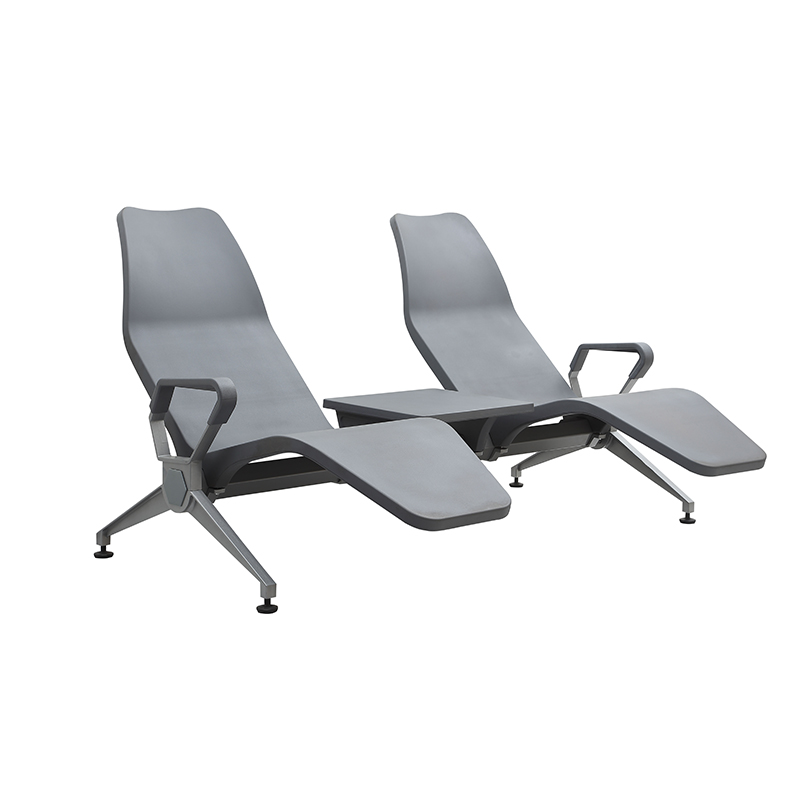
Our airport lounge chairs can be reviewed by procurement teams looking for seating that supports passenger comfort, long-term use, and practical maintenance in high-traffic airport environments.
Before The Waiting Area Becomes A Complaint Point
Think In Years, Not Only In Units
Airport Lounge Seating should be evaluated by long-term operating cost, not only by unit purchase price. Comfort, durability, maintenance access, spare part availability, and installation planning all affect the final value of the investment.
A better seating decision can reduce complaints, protect the terminal image, and help facility teams manage public areas with fewer unexpected costs.
Match The Chair To The Terminal’s Daily Reality
Every airport has different passenger volume, cleaning routines, lounge expectations, and maintenance capacity. Sharing these details before procurement helps our team recommend a more practical seating plan for long-term use.
For airport projects, public waiting areas, transportation hubs, and commercial passenger spaces, more seating information and project support can be found on our website at https://www.ohefurniture.com/. A large seating order should continue working for the terminal long after the installation is complete.