


What Are Airport Chairs Called?
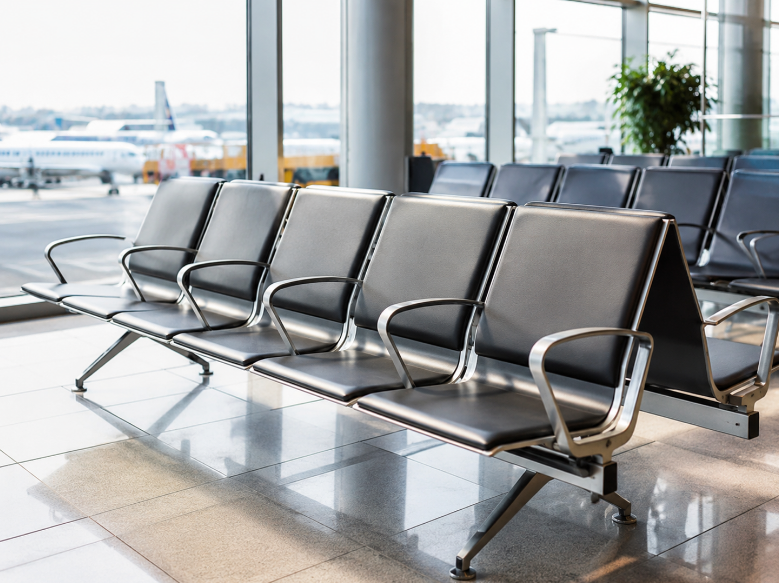
The connected chairs found in airport terminals are commonly called airport seating, terminal seating, airport Waiting Chairs, or beam seating.
The name changes slightly according to the chair structure and where it is installed. A row of seats fixed to one horizontal support beam is usually described as beam seating. Upholstered chairs placed in a premium lounge may instead be called airport lounge seating.
Understanding these terms helps project buyers search for the right product and communicate more clearly with furniture manufacturers.
Common Names for Airport Chairs
Several terms are used across airport, transport, and public-seating projects.
| Product Name | Typical Meaning |
|---|---|
| Airport Waiting Chairs | General seating used inside terminals |
| Beam seating | Several seats mounted on one supporting beam |
| Airport bench seating | A connected row of public seats |
| Terminal seating | Chairs installed in departure or arrival halls |
| Airport lounge seating | Softer seating used in premium waiting areas |
| Public waiting chairs | Multi-purpose seating for transport and service facilities |
| Airport reception chairs | Seating near information or customer-service areas |
These names can overlap. A three-seat beam unit may be marketed as an airport bench, terminal chair, or waiting-area seat depending on the supplier.
What Is Beam Seating?
Beam seating uses a strong horizontal bar to support two or more seats.
Instead of giving every chair four separate legs, the seats share a central structure. This creates a neater row and reduces the number of contact points on the floor.
Why Airports Use Beam Seating
Airport terminals handle large passenger volumes and require furniture that can be arranged efficiently.
Beam seating provides several practical advantages:
Seats remain aligned
Rows are easier to organize
Floor cleaning is less obstructed
Units can be supplied in different seat quantities
Armrests and tables can be added between seats
Damaged seating parts may be easier to replace individually
This structure is also used in stations, hospitals, government halls, banks, and other public waiting spaces.
How Many Seats Are in an Airport Chair Unit?
Common configurations include two, three, four, and five seats.
Three-seat and four-seat units are widely used because they provide useful capacity without becoming too difficult to move or position.
A project may combine several configurations. For example, shorter units can be placed near columns or entrances, while longer rows can be used in open departure halls.
Single Seats and Priority Seating
Not every airport chair needs to be part of a beam.
Single armchairs may be placed near reception areas, family zones, accessible spaces, or quieter waiting sections. Priority seats may also use a different color to make them easier to identify.
What Materials Are Airport Chairs Made From?
Airport seating may use:
Powder-coated steel
Stainless steel
PU molded cushions
Upholstered seat pads
Perforated metal panels
Plastic components
Aluminum-alloy armrests
Painted or plated finishes
The selected material should match the expected passenger volume, maintenance routine, climate, and interior style.
Metal Airport Chairs
Metal seats are suitable for areas requiring frequent cleaning and resistance to repeated use.
Perforations can reduce visual weight and improve ventilation, although the seat shape and edge treatment still influence comfort.
PU Airport Chairs
PU seats provide a padded surface while maintaining a molded structure.
Color, hardness, surface texture, and cushion dimensions can be adjusted during product development.
Upholstered Terminal Seating
Fabric or synthetic-leather cushions may be used where greater comfort is required.
Buyers should consider abrasion resistance, stain removal, seam strength, and the availability of replacement covers or seat pads.
Important Airport Seating Specifications
When selecting Airport Waiting Area Seating, project buyers should confirm more than the product appearance.
Important details include:
Number of seats per unit
Overall length and depth
Seat width and seat height
Beam material and thickness
Leg structure
Armrest position
Upholstery or PU hardness
Surface finish
Floor-fixing requirements
Spare-part availability
The furniture must also leave enough circulation space for passengers, luggage, wheelchairs, and cleaning equipment.
How Our Factory Supports Airport Seating Projects
We manufacture iron, stainless steel, PU, and upholstered waiting-chair systems for airports and other public spaces.
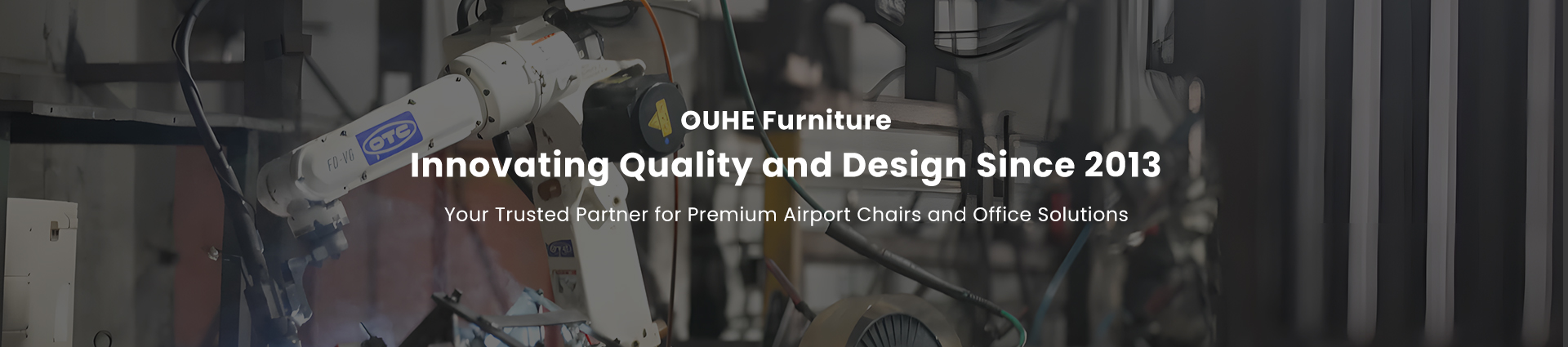
Our production base includes metal stamping, robot welding, hardware spraying, PU foaming, Sofa production, carton manufacturing, packaging, and shipment facilities.
Automatic welding helps maintain alignment across repeat orders, while our PU production equipment supports different cushion sizes, colors, and hardness levels.
Develop an Airport Waiting Area Seating Plan
Preparing seating for an airport terminal, railway station, bus station, hospital, bank, or government service hall?
Send us your floor plan, required seat quantities, beam configuration, material, cushion structure, armrest arrangement, finish, packaging, and delivery schedule. We will prepare an Airport Waiting Area Seating proposal for your project.
Previous: How Much Are Waiting Room Chairs?