


Metal vs. Upholstered Waiting Chairs: Which Is Easier to Maintain?
Metal Waiting Chairs are generally easier to wipe, inspect, and maintain in high-traffic public areas. Upholstered waiting chairs provide greater softness and visual warmth but require more attention to seams, stains, moisture, surface wear, and cleaning-product compatibility.
PU waiting chairs sit between these categories. They provide cushioning with a relatively continuous surface, making them a practical option for airports, hospitals, reception areas, and government service centers.
Maintenance Comparison
| Maintenance factor | Metal waiting chairs | Upholstered waiting chairs | PU waiting chairs |
|---|---|---|---|
| Routine wiping | Straightforward | Depends on fabric and seams | Generally straightforward |
| Liquid absorption | Low on intact surfaces | Can be higher | Low when the skin is intact |
| Hidden debris | Limited on simple designs | Can collect around seams | Depends on joint design |
| Comfort | Firm | Soft | Cushioned |
| Surface damage | Scratches or coating wear | Stains, tears, fraying | Cuts, punctures, surface wear |
| Component inspection | Usually easy | Frame may be partly concealed | Depends on construction |
| Best application | High-turnover public areas | Premium or lower-traffic lounges | Mixed comfort and cleaning needs |
Cleaning methods must always follow the specified material and finish. One chemical is not suitable for every seat surface.
Maintaining Metal Waiting Chairs
Metal seats may use stainless steel, formed steel, perforated panels, or powder-coated components. Their open surfaces make cracks, loose fasteners, coating damage, and dirt easier to identify.
Routine care normally involves removing dust and wiping with a soft cloth and a compatible mild cleaner. Abrasive pads can scratch stainless steel or damage a coated surface.
Where coating is damaged, exposed carbon steel may corrode. Inspection should focus on edges, welds, fastener points, and areas that remain damp after cleaning.
Our stainless steel waiting-room chairs are designed for public seating environments where structural stability and practical cleaning are important.
Maintaining Upholstered Chairs
Fabric upholstery can improve acoustic softness and interior comfort, but spills may penetrate the textile or foam. Stain resistance, seam construction, abrasion performance, colorfastness, and cleaning compatibility should be confirmed during procurement.
Removable covers can simplify servicing, although zippers and attachment points need inspection. Fixed upholstery may create a cleaner appearance but can be more difficult to replace on site.
Upholstered chairs are often better suited to office receptions, private clinics, hotel lobbies, and premium lounges than heavily exposed terminal areas.
Maintaining PU Waiting Chairs
PU seating uses molded or covered polyurethane to create a cushioned surface. The absence of textile weave can make routine wiping easier than fabric upholstery.
Inspect PU surfaces for cuts, punctures, peeling, seam opening, or permanent compression. Once the surface is broken, moisture and dirt may enter the underlying material.
Our dedicated PU factory uses foaming equipment capable of producing different sizes, colors, and hardness levels. This supports project-specific comfort and appearance requirements.
The Structure Beneath the Surface
Maintenance is not limited to upholstery. The seat frame, beam, legs, leveling feet, arms, welds, and fasteners carry the load.
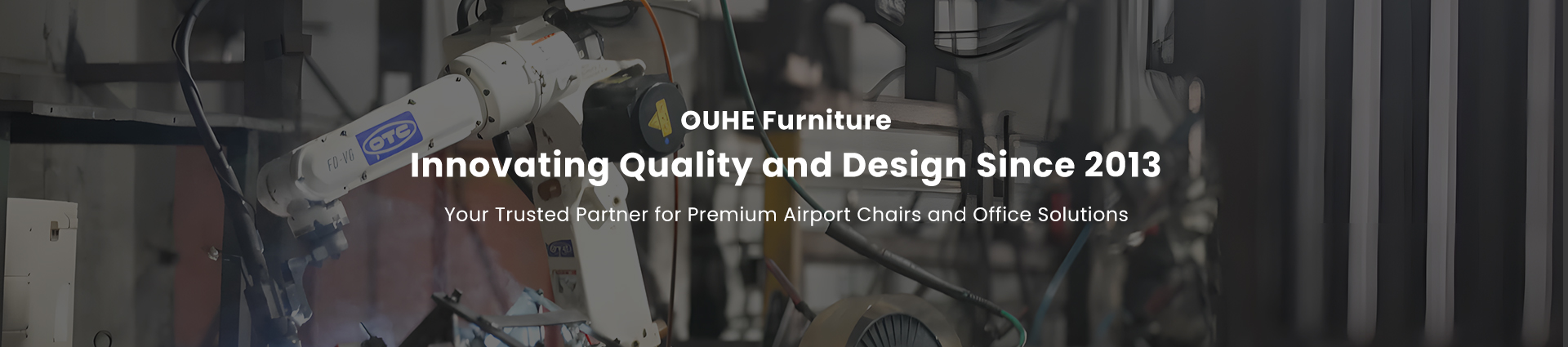
Our waiting-chair series uses robotic welding to improve production consistency. We operate 40 automatic welding units, metal stamping facilities, coating production, and dedicated packaging operations.
As a reliable export supplier of metal and PU waiting chairs, we can coordinate surface materials with the expected cleaning routine and public environment. Products are exported to more than 60 countries and regions, while ISO 9001 and ISO 14001 certifications support quality and environmental management.
Which Material Is Easier?
Choose metal waiting chairs when fast cleaning, direct visual inspection, and resistance to frequent public use are the priorities. Choose upholstered chairs when softer comfort and interior atmosphere justify a more involved maintenance plan. Select PU seating where the project needs cushioning with a comparatively easy-to-clean surface.
Maintenance planning should begin before the order. Request material samples and test the facility’s intended cleaner on them before approving a large installation.