


Guide To Selecting And Developing Trends in Waiting Area Chairs
waiting area chairs should be selected according to user traffic, comfort requirements, material durability, available space, and maintenance costs. Current design priorities include modular seating, practical materials, coordinated finishes, and accessible layouts that support efficient public environments.
What Factors Should Buyers Consider When Selecting Waiting Area Chairs?
Waiting area chairs are used in airports, railway stations, hospitals, government facilities, and commercial buildings.
These environments have different operational requirements, but all require furniture that provides dependable seating under frequent public use.
For commercial furniture importers and project purchasing teams, several factors influence the selection process.
Expected User Traffic
Higher-traffic locations require structures suitable for frequent use and repeated loading.
Available Space
The seating layout should provide sufficient capacity without restricting circulation.
Material Durability
Surfaces and supporting structures should withstand the intended cleaning and operating conditions.
Maintenance Requirements
Replaceable components and accessible cleaning surfaces may reduce long-term operating costs.
Project Budget
The purchasing decision should consider both initial price and expected ownership costs.
What Types of Waiting Area Chairs Are Suitable for Public Spaces?
Different waiting environments require different seating structures.
Metal Beam Seating
Beam seating connects multiple seats through a shared supporting structure.
It is commonly used in transportation terminals where organized seating and efficient floor utilization are important.
PU Waiting Chairs
PU seating can provide shaped support and different design options.
These products may be suitable for reception areas and passenger waiting environments requiring a balance of comfort and durability.
Individual Lounge Chairs
Individual lounge chairs are often selected for premium reception spaces where additional comfort and visual appearance are priorities.
Modular Multi-Seat Systems
Modular arrangements allow project planners to select different seating lengths according to available space.
For airport and railway station contractors, modular systems can simplify layout planning and component replacement.
What Design Trends Are Relevant to Modern Waiting Area Furniture?
Several practical design directions are important in contemporary public seating projects.
Modular and Flexible Arrangements
Modular designs allow facilities to plan seating according to passenger flow and available floor space.
Minimalist Commercial Appearance
Clean lines, coordinated colors, and consistent metal finishes are frequently used in modern public interiors.
Easy-Clean Materials
Facility managers often prioritize seating surfaces that support efficient cleaning and maintenance.
Improved Ergonomic Comfort
Backrest shape, seat dimensions, and supportive armrests influence the experience of users waiting for extended periods.
Accessible Seating Layouts
Public facilities should consider users with different mobility requirements according to applicable accessibility standards.
These trends should be evaluated according to project requirements rather than treated as universal design rules.
How Can Buyers Balance Product Price and Long-Term Value?
The initial purchase price represents only part of the furniture investment.
Additional costs may arise from:
Installation
Cleaning and maintenance
Replacement components
Surface deterioration
Transportation damage
Product replacement
Project delays
For public infrastructure buyers, the lowest-priced chair may not provide the most economical solution over its full service life.
A practical purchasing evaluation should compare product performance, maintenance requirements, and manufacturing reliability.
How Does Our Factory Support Waiting Area Chair Production?
OUHE manufactures waiting chairs using metal supporting structures, PU seating components, and different modular configurations.
Our airport waiting chairs include PU seating with steel inner frames, aluminum armrests and legs, and metal supporting beams.
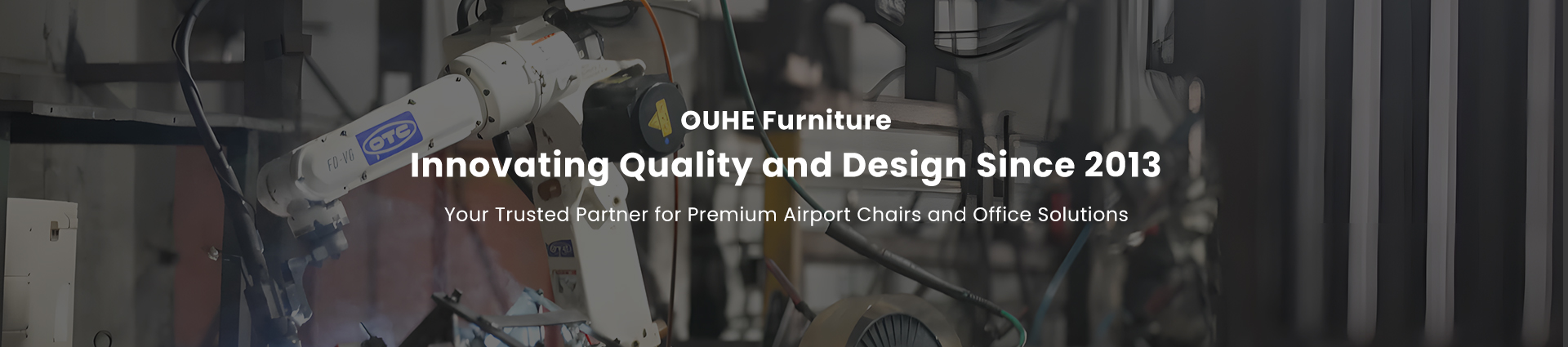
Our factory operates metal stamping, robotic welding, PU production, spraying, and packaging facilities.
Through our manufacturing experience, we understand that large public furniture projects require consistent dimensions and reliable assembly structures.
Our production team focuses on:
Accurate metal component processing
Stable welding quality
Consistent surface finishing
Proper seating module alignment
Final product inspection
Protective export packaging
These details help reduce installation problems and support production consistency across large orders.
What Should Project Buyers Confirm Before Bulk Purchasing?
Before placing an order, commercial furniture buyers should review:
Intended application
Seating capacity
Structural specifications
Material requirements
Product dimensions
Installation arrangements
Maintenance expectations
Packaging specifications
Project delivery schedule
For customized projects, approved drawings and samples should establish the final specifications before mass production.
Develop Your Waiting Area Seating Project
OUHE provides waiting chair manufacturing solutions for transportation terminals, hospitals, public buildings, commercial furniture distributors, and infrastructure contractors.
Our team supports modular seating configurations, material selection, surface finishes, and selected OEM/ODM customization requirements. We can help buyers evaluate seating layouts, product specifications, and bulk production needs according to different project environments.
Get a Wholesale Waiting Chair Quotation
Previous:
Next: What Are The Requirements Of The Design Airport Chair?