


Modern Airport Furniture: How to Choose the Best Solutions for Comfort, Durability and Flexibility?
Modern airport furniture combines passenger comfort, durable construction, coordinated appearance, and adaptable configurations. Effective solutions match different seating types and materials to terminal functions, passenger movement, and long-term facility management.
What Makes Modern Airport Furniture Different?
Modern airport furniture is not simply about choosing contemporary-looking chairs.
Airport interiors must accommodate different passenger activities, including waiting, resting, working, transferring, and meeting companions.
Furniture therefore needs to support both the passenger experience and the operational requirements of the terminal.
For example, connected beam seating may suit busy boarding gates, while lounge seating is more appropriate for premium waiting areas.
The design should reflect how each space is actually used.
How Does Ergonomic Design Improve Passenger Comfort?
Passenger comfort depends on several measurable design details.
Seat Width and Depth
The seat should provide suitable space for different users without making the complete seating arrangement unnecessarily large.
Backrest Shape
Backrest geometry influences how the chair supports the passenger's back during waiting periods.
Seat Hardness
PU seat hardness affects the sitting experience and should be evaluated through physical samples.
Armrest Position
Armrests provide additional support and help define individual seating positions.
Seat Height
Seat height influences how easily passengers can sit down and stand up.
These details should be considered together rather than evaluating comfort based on cushioning alone.
Our PU Airport Chair series uses PU seating with an internal steel frame, combining a shaped seating surface with a supporting metal structure.
Different PU sizes, colors, and hardness levels can be discussed during product development.
Which Materials Are Commonly Used in Modern Airport Seating?
Material selection influences structural design, maintenance, weight, and appearance.
Metal Structures
Steel is commonly used in supporting frames and connected seating beams.
Aluminum components can be used for armrests and legs in selected designs.
The material grade, thickness, connection method, and surface treatment should be confirmed according to the product specification.
PU Seating
PU seating provides a shaped surface and cushioning compared with exposed metal seating.
It is used in airport Waiting Chairs where passengers need a more comfortable contact surface.
Its color and hardness can also be adjusted according to selected product requirements.
Stainless Steel
Stainless steel is used in selected commercial seating designs where the visible metal appearance and surface characteristics are important.
The appropriate grade should be confirmed according to the installation environment and maintenance requirements.
How Can Modern Airport Furniture Improve Space Flexibility?
Airport layouts change according to terminal size, passenger demand, and operational arrangements.
Furniture with flexible configurations can help planners respond to these changes.
Modular Connected Seating
One-to-five-seat configurations allow buyers to arrange different seating lengths while maintaining a consistent product style.
Different Beam Structures
Triangular and hexagonal supporting beams provide different structural designs for connected seating systems.
Color Customization
Seat and frame colors can be coordinated with airport interior schemes.
Mixed Seating Areas
Connected waiting chairs can be combined with lounge seating and Sofas to create different passenger environments.
For example, our P2302 airport terminal chair uses PU seating within a steel frame, aluminum arms and legs, and a metal triangular beam. It is available in one-to-five-seat configurations.
Our P2001 airport lounge chair uses a different structure with PU seating, aluminum components, and a metal hexagonal beam.
These two models illustrate how different seating formats can serve different terminal environments.
How Should Durability Be Considered in Airport Furniture Design?
Durability should be evaluated through the complete structure and its expected maintenance conditions.
Important considerations include:
Frame material and dimensions.
Beam and leg connection design.
Welding quality.
Seat material and internal support.
Surface treatment.
Repeated-use performance.
Availability of replacement components.
For high-use environments, the furniture should also be easy for maintenance staff to inspect and clean.
A chair that is difficult to maintain may create unnecessary operational work even if its initial construction appears strong.
Why Does Visual Coordination Matter?
Airport furniture contributes to the overall appearance of a terminal.
Different areas may require different visual styles.
Departure halls may use coordinated rows of connected chairs.
Premium lounges may use softer seating and warmer colors.
Transfer areas may prioritize compact and functional furniture.
Reception areas may use sofas and individual armchairs.
Color selection, surface finishing, and product proportions help maintain a consistent interior design.
However, visual coordination should not compromise circulation routes, accessible spaces, or practical maintenance.
How Can Buyers Select Furniture That Balances All Four Requirements?
The selection process should begin with a project brief.
| Design Requirement | Main Evaluation Points | Buyer Consideration |
|---|---|---|
| Comfort | Seat dimensions, backrest, PU hardness | Expected waiting duration |
| Durability | Frame, beam, joints, surface finish | Passenger volume and maintenance |
| Flexibility | Seat configurations and modules | Terminal layout changes |
| Appearance | Color, finish, material combinations | Interior design scheme |
For project procurement, buyers should request technical drawings and physical samples before confirming the final configuration.
Develop Modern Airport Seating With a Manufacturing Partner
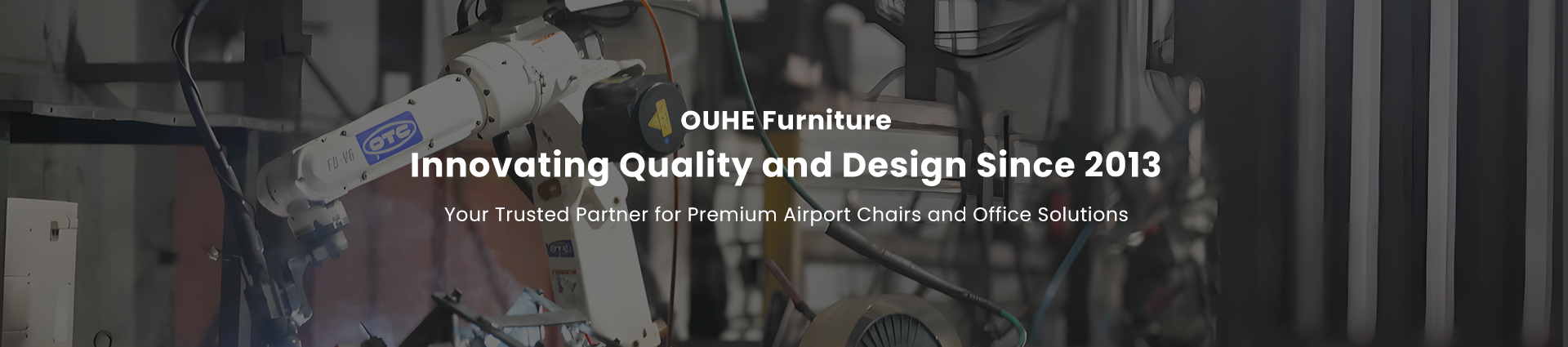
Our production system integrates metal processing, robotic welding, PU production, spraying, and packaging.
This allows our team to coordinate different components of Airport Waiting Chairs and develop product configurations for different project requirements.
For customized orders, we can discuss seat quantity, beam structures, PU colors, metal finishes, and product dimensions.
Discuss Your Modern Airport Furniture Project
Share your terminal layout, preferred furniture styles, material requirements, and estimated seating quantity to discuss suitable commercial seating solutions.
Previous: