



How To Customize Hospital Waiting Chairs?
Customizing hospital Waiting Chairs is not only about choosing a color or adding a logo. Healthcare seating must balance patient comfort, infection-control cleaning, long-hour durability, and space planning for high-traffic areas. A good customization plan also reduces maintenance cost over time by standardizing parts, selecting the right surface materials, and matching chair modules to the real flow of patients, visitors, and staff.
This guide explains how to customize Hospital Waiting Chairs step by step, from layout planning and configuration choices to materials, finishes, compliance considerations, and delivery coordination. You can explore OUHE’s project seating options in the hospital waiting chair range.
Define the Use Area and Traffic Pattern First
Hospital seating performs differently depending on where it is installed. Emergency departments need fast cleaning and high-impact durability. Outpatient clinics need comfort and noise control. Imaging and lab areas may require wipe-down surfaces and strict chemical resistance. Pediatric areas often require safer edges and more welcoming colors. Customization should start with the location type because it determines the best materials, seat geometry, and spacing.
A strong starting point is mapping user behavior. In real hospitals, the highest wear points are the front edges of seats, armrest ends, and beam connection zones. Areas with frequent wheelchair transfers need stable armrests and adequate seat height. If you align chair design with these realities, customization becomes functional rather than decorative.
Choose the Right Configuration for Space and Patient Flow
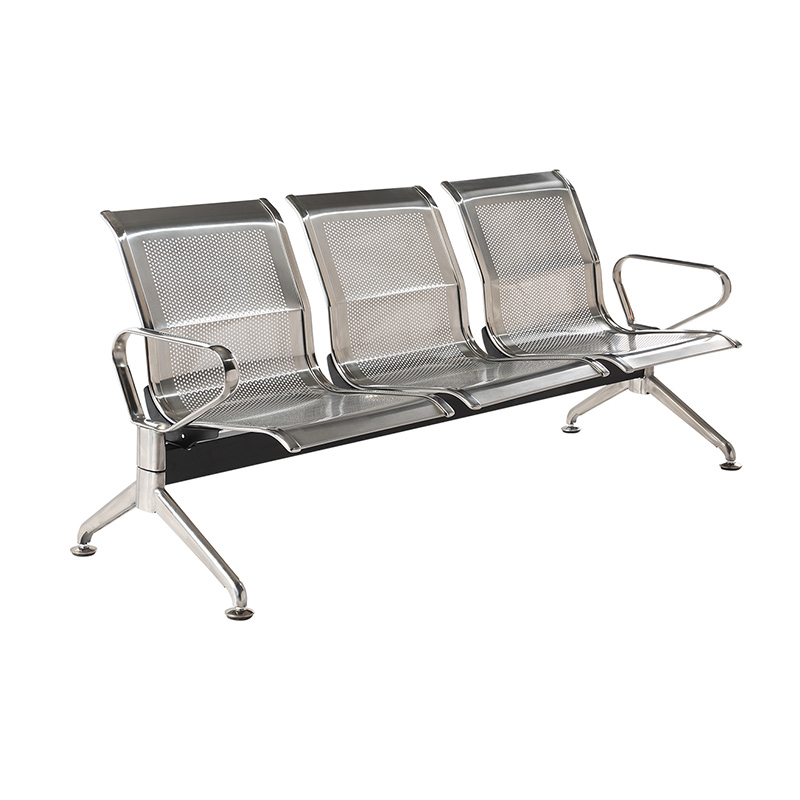
Most hospital waiting chairs are installed as beam seating because it keeps spaces organized, simplifies cleaning under seats, and improves long-term stability. Customization typically includes seat count per unit and how the chairs connect within the waiting zone.
The best configuration is determined by aisle width, door swing, wheelchair paths, and staff movement. A chair that looks compact on paper can block flow if it reduces turning space for mobility aids. For busy clinics, grouping multiple beam sets often works better than using many single chairs because it keeps the area tidy and reduces misplacement.
Common configuration options that matter during customization:
Two-seat, three-seat, four-seat, and longer beam sets based on wall length and circulation space
Modular linking so long walls can be filled without gaps
Corner and island layouts for central waiting areas
Dedicated spaces for wheelchairs and strollers to prevent congestion
Select Materials That Match Infection Control and Daily Cleaning
Hospitals use stronger cleaning routines than most public spaces. That means surfaces should resist frequent wiping, disinfectants, and contact wear. Material selection influences hygiene control, lifespan, and how easy the chairs are to maintain.
For many healthcare projects, metal structures with stable finishes are preferred because they handle repeated cleaning and keep their appearance longer. Where comfort is a priority, cushioning materials should be chosen carefully, focusing on wipe-clean performance and seam control to reduce dirt traps. Seat and back materials also affect heat retention, noise, and tactile comfort during long waits.
A practical material strategy avoids surfaces that easily scratch, peel, or absorb moisture. It also prioritizes designs that minimize crevices so cleaning staff can wipe quickly without missing hidden edges.
Decide on Comfort Features Without Complicating Maintenance
Comfort is important in healthcare environments because waiting times can be long. However, comfort upgrades should not create maintenance problems. The best approach is to choose features that improve user experience while keeping surfaces easy to wipe and parts easy to replace.
Comfort-related customization can include:
Seat width and ergonomic contour adjustments for different patient profiles
Armrest designs that support seniors and improve transfer stability
Backrest height options for long-wait areas such as infusion clinics
Optional padding strategies that remain easy to clean
The key is to balance comfort and cleaning efficiency. In healthcare seating, simple structures with solid ergonomics often outperform complex designs that trap dust and require more labor to maintain.
Choose Finishes and Colors That Work With Hospital Interiors
Hospitals often require a calm, consistent look across multiple departments. Customization should match interior design standards while supporting practical usage. Dark colors hide scuffs but can show dust, while lighter tones feel cleaner but may highlight stains if cleaning is inconsistent.
Finish selection impacts not only appearance but also how easily marks can be removed. A stable finish helps reduce visible fingerprints and supports frequent wiping without becoming patchy over time. If the project includes many areas, consistent finish standards across departments simplify procurement and future replenishment.
Confirm Dimensions That Affect Accessibility and Safety
Hospital waiting chairs must support varied body types and mobility levels. Seat height and armrest design matter for patient comfort and safe rising, especially for elderly users. Spacing between seats affects privacy, cleaning access, and infection-control workflow.
Measurements should be confirmed based on:
Standard corridor and aisle width requirements
Wheelchair turning radius and transfer access
Clearance for cleaning tools under and around chair beams
End-seat safety, including edge conditions and stability
If the project includes special departments, such as dialysis or oncology, longer sitting durations may justify different seat contouring and armrest support.
Plan Custom Branding and Identification in a Professional Way
Some hospitals request branding elements such as engraved plates, color-coded zones, or department identifiers. These are useful when they do not create additional cleaning complexity. The most practical branding methods are those that remain readable after frequent wiping and do not introduce raised surfaces that trap residue.
A clean approach is to integrate identification into parts that are already present, such as beam ends or back panels, keeping surfaces flush and easy to disinfect.
Use a Customization Specification Sheet to Avoid Rework
Healthcare projects often involve multiple stakeholders, including procurement teams, designers, and facility managers. A clear specification sheet prevents mismatches and reduces delays.
Hospital waiting chair customization checklist
| Customization Item | What to Specify | Why It Matters in Hospitals |
|---|---|---|
| Seat configuration | Seats per beam, linking method, layout plan | Controls traffic flow and space efficiency |
| Materials | Frame, seat/back surfaces, armrest material | Determines durability and cleaning resistance |
| Finish | Surface treatment, color, texture | Affects appearance and wipe-down performance |
| Dimensions | Seat height, seat width, overall footprint | Supports accessibility and comfort |
| Armrests | With or without, style, end supports | Helps transfers and reduces fall risk |
| Maintenance | Replaceable parts, fastener standardization | Lowers long-term service cost |
| Packaging | Protection level, labeling, installation grouping | Speeds installation and reduces damage |
| Delivery | Lead time, shipment plan, site receiving constraints | Avoids schedule conflict and storage issues |
A detailed sheet also makes repeat orders easier because hospital projects often expand in phases.
Coordinate Production, Packaging, and Delivery for Installation Efficiency
Customization is successful only when the product arrives ready for installation. Hospitals often have strict receiving windows and limited storage space. Packaging should protect finishes while also making on-site handling efficient. Seat group labeling helps installers place the correct sets in the right departments without opening every carton.
OUHE supports project production workflows through integrated manufacturing capability, allowing better control over component consistency, finish stability, and batch repeatability. When a hospital project requires large quantities with consistent appearance across departments, stable production planning becomes a major advantage.
For reference designs and customization-ready options, explore the hospital waiting chair range.
Conclusion
Customizing hospital waiting chairs works best when the process starts with patient flow, cleaning reality, and long-term maintenance needs rather than surface appearance alone. The most effective custom solutions combine the right seating configuration, wipe-friendly materials, stable finishes, accessibility-focused dimensions, and standardized parts that make future replacement easier. When the specification is clear and delivery is coordinated for installation, hospitals receive seating that looks consistent, stays hygienic, and performs reliably under constant daily use.
To review customization-ready models and configuration options, visit OUHE’s hospital waiting chair range.