



How To Customize Classroom Desks And Chairs for School Projects?
Customizing Classroom Desks And Chairs for school projects is not simply about choosing furniture styles. It is a structured process that balances student ergonomics, classroom layout, durability requirements, safety standards, and long-term maintenance efficiency. When customization is done correctly, schools can improve learning comfort, reduce damage and replacement frequency, and maintain consistent furniture standards across campuses.
This article outlines a practical customization framework used in real school projects, from sizing and materials to functional options and procurement planning. To review available models and configurations, browse our OUHE Classroom Desks And Chairs Collection.
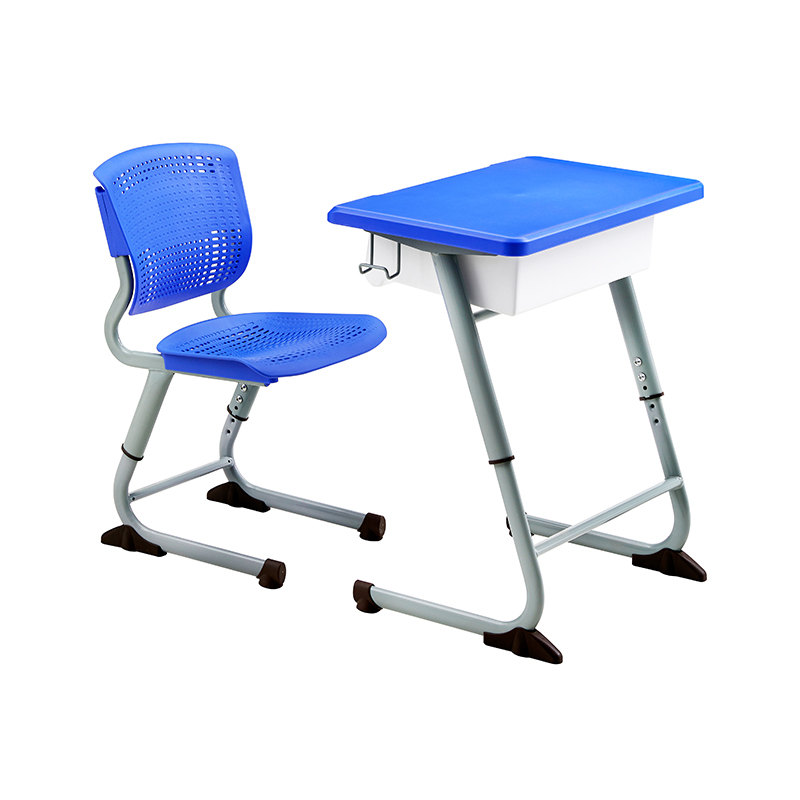
Start With Classroom Needs And Project Scope
Every successful school furniture project begins with clear scope definition. Before selecting desk and chair options, project planners should confirm:
Student age groups and grade levels
Classroom size and seating density
Teaching layout such as fixed rows or group learning
Expected service life and cleaning frequency
Installation schedule and phased delivery needs
For large projects, standardizing two or three core desk-chair configurations helps simplify bulk order planning and future replacement.
Select Sizes Based On Ergonomics And Space Efficiency
Correct sizing directly affects student comfort and classroom order. Desk and chair dimensions should match student height while preserving safe movement paths.
Key sizing factors include:
Seat height aligned with student leg length
Desk height suitable for writing posture
Adequate leg clearance and bag space
Compact desk width for high-capacity classrooms
Rounded edges to reduce impact risk
Matching furniture size to classroom layout helps maintain consistent aisles and improves daily classroom flow.
Choose Materials For Durability And Easy Maintenance
School furniture is exposed to daily wear, frequent cleaning, and occasional impact. Material selection should focus on long-term reliability rather than short-term appearance.
Common customization priorities:
Scratch-resistant and stain-resistant desktop surfaces
Strong metal frames with stable welding structure
Anti-slip and floor-protecting foot caps
Corrosion protection for humid environments
Designs that minimize dust traps and simplify cleaning
For project buyers, the best value often comes from materials that reduce repair and replacement over multiple school years.
Match Functional Options To Real Classroom Use
Functional customization should support teaching activities without adding unnecessary complexity.
Frequently selected options include:
Height-adjustable desks and chairs for multi-grade classrooms
Bag hooks or rails to keep aisles clear
Under-desk storage for lower grades
Stackable chairs for multipurpose rooms
Linking options for exam or testing layouts
Choosing functions based on actual classroom behavior improves efficiency and avoids over-specification.
Plan Colors And Finishes For Long-Term Consistency
Color selection affects both aesthetics and maintenance. In school environments, finishes should hide minor wear and maintain a clean appearance over time.
Practical finish considerations:
Mid-tone colors reduce visible scratches
Matte surfaces limit glare under classroom lighting
Powder-coated frames improve chip resistance
Consistent color palettes simplify future reorders
For campus-wide projects, limiting color variations helps maintain visual consistency and easier asset management.
Confirm Safety And Quality Requirements Early
Safety must be integrated into the design stage, not treated as an afterthought.
Important safety elements include:
Rounded corners and stable structures
Load-bearing performance for daily use
Non-slip foot caps and balanced weight distribution
Low-odor materials and controlled surface coatings
Protective packaging for safe delivery and handling
Early confirmation avoids redesigns during production.
Create A Clear Specification For OEM And ODM Orders
A detailed specification sheet ensures accurate quoting and smooth production.
Key specification items:
Desk and chair models with pairing rules
Dimensions and tolerances
Materials for all components
Surface finishes and color references
Functional accessories
Packaging and labeling requirements
Sampling and approval process
Clear documentation reduces lead time and improves consistency in bulk manufacturing.
OUHE Project Support Capabilities
OUHE operates a large-scale production base in Guangdong with specialized workshops covering metal fabrication, surface finishing, packaging, and assembly. With automated equipment, in-house spraying lines, and experienced R and D teams, OUHE supports school furniture projects that require stable quality, scalable production, and reliable delivery.
Our management systems follow ISO9001 and ISO14001 standards, and our products have been supplied to education projects in over 60 countries, supporting long-term cooperation with project buyers and solution providers.
Conclusion
Customizing classroom desks and chairs for school projects requires a system-based approach that integrates ergonomics, durability, safety, and procurement efficiency. By standardizing key configurations, selecting practical materials, and defining clear specifications, schools can achieve consistent quality and long-term value.
To explore available models and customization options, please browse our OUHE Classroom Desks And Chairs Collection. If you share your project scope, classroom sizes, and delivery timeline, our team can provide practical guidance and OEM/ODM support for your school furniture project.