



What Are Common Mistakes When Purchasing Classroom Desks And Chairs?
Purchasing Classroom Desks And Chairs looks straightforward until the furniture is installed and used every day. Many school projects run into the same problems: student discomfort, broken parts within one semester, unstable desks on uneven floors, poor layout fit, or inconsistent colors across batches. Most of these issues are not caused by one bad choice, but by missing key checks during the procurement process.
This article summarizes the most common purchasing mistakes and how to avoid them, especially for school projects that require consistent specifications, predictable delivery, and long-term maintenance control. To review common configurations and project-ready options, browse our OUHE Classroom Desks And Chairs Collection.
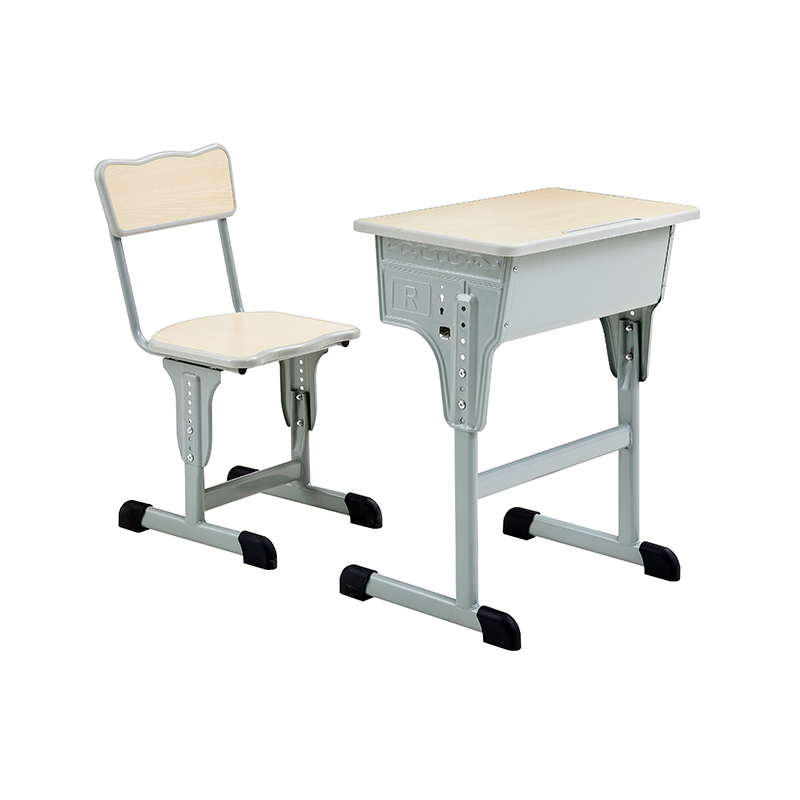
Choosing Sizes Without Confirming Student Ergonomics
A frequent mistake is selecting furniture sizes based on photos, “standard” dimensions, or a single sample room. When seat height or desk height does not match the student group, posture issues appear quickly. Students shift, lean, and drag chairs more often, which increases classroom noise and accelerates wear.
How to avoid it:
Define grade groups and student height ranges for each building or classroom type
Confirm seat height, backrest support, and desk height as a matched set
Validate leg clearance and writing comfort with a real seated posture test
Use the same size logic across the campus so replacement planning stays simple
Focusing On Unit Price Instead Of Total Project Cost
Many projects compare prices line by line and miss the bigger cost drivers: damaged desks that require replacement, loose fasteners that need maintenance time, and inconsistent parts that complicate reorders. A low unit price can become expensive if the furniture fails early or requires frequent tightening and repairs.
How to avoid it:
Compare lifecycle cost, not only initial price
Ask for expected service life assumptions and maintenance guidance
Confirm warranty scope and which components are covered
Standardize models to reduce spare-part variety for bulk order planning
Ignoring Classroom Layout And Movement Paths
Some desks and chairs look good in catalogs but do not fit the actual room plan. Common consequences include blocked aisles, difficult teacher movement, and unsafe congestion during entry and exit. Layout mismatch is especially common when projects reuse the same furniture plan across rooms with different sizes.
How to avoid it:
Confirm aisle width requirements and emergency movement paths
Plan the seating density first, then choose desk footprint
Consider student bag space and storage behavior
Test layouts for both daily teaching and exam configurations
Overlooking Material And Surface Durability
Schools clean furniture frequently, and desktops often face pens, markers, spills, and abrasion. When material selection is not matched to daily use, the furniture may stain, scratch, or peel earlier than expected. Frame coating quality also matters in humid regions where corrosion risk is higher.
How to avoid it:
Confirm desktop surface performance priorities such as scratch and stain resistance
Verify frame coating and corrosion protection strategy for your environment
Check edge sealing and corner durability on high-contact areas
Request sample panels for cleaning compatibility tests using your real detergents
Missing Stability Checks For Real Floors
Even well-built desks can wobble if floor conditions are uneven. Schools often install furniture in older buildings where floor flatness varies. If stability is not evaluated early, the project may require on-site modifications, extra pads, or replacement legs.
How to avoid it:
Select designs with stable geometry and reliable foot structures
Consider floor-protecting and anti-slip foot caps
Run a wobble check during sampling on representative flooring
Confirm whether adjustment solutions are available for uneven surfaces
Selecting Too Many Variations In One Project
Projects sometimes customize every room differently, which creates future problems: spare parts do not match, colors are inconsistent, and replacement orders become complicated. This is a common mistake when multiple stakeholders request different features without a standardization plan.
How to avoid it:
Standardize two or three core desk-chair configurations per campus
Use optional accessories only where necessary, not everywhere
Lock color and finish palettes with limited variations
Maintain a single specification sheet for each standard configuration
Underestimating Delivery, Packaging, And Installation Realities
Procurement often ends at “order confirmed,” but project success depends on the last mile. Packaging damage, missing hardware, unclear labeling, and unplanned installation time can delay school opening schedules.
How to avoid it:
Confirm packaging method and protection level for long-distance shipping
Require clear labeling by classroom or batch to speed installation
Define installation responsibilities and hardware requirements
Plan buffer time for inspection, sorting, and onsite distribution
Skipping Quality Control And Sampling Procedures
Some buyers place full orders before confirming a sample that matches the specification. This increases the risk of dimension mismatch, finish inconsistency, or accessory differences. For school projects, sampling is not optional if you want predictable outcomes.
How to avoid it:
Approve pre-production samples that reflect the final materials and finish
Confirm critical dimensions with measurable checks, not visual inspection
Define acceptance criteria for appearance, stability, and workmanship
Align sampling timeline with the production schedule
Forgetting Long-Term Maintenance And Replacement Planning
Furniture procurement should include a plan for what happens after installation. If the school cannot reorder matching items later, or if spare parts are not standardized, maintenance becomes costly. This is especially important for public projects and multi-campus programs.
How to avoid it:
Choose models that support repeat ordering and stable specifications
Confirm availability of replacement parts for common wear items
Keep a project record of model codes, finishes, and configuration rules
Plan a small spare inventory for high-frequency replacement components
Quick Reference Table For Procurement Teams
| Common Mistake | What It Causes | What To Do Instead |
|---|---|---|
| Wrong sizing for grade level | Poor posture, discomfort, early wear | Match desk and chair sizes to student height groups |
| Lowest price decision | High maintenance and replacement cost | Compare lifecycle value and standardize models |
| Layout not validated | Blocked aisles, poor classroom flow | Plan seating density and movement paths first |
| Weak surface selection | Stains, scratches, peeling | Test materials with real cleaning routines |
| No floor stability check | Wobble, noise, unsafe use | Validate stability on representative flooring |
| Too many variants | Complex reorders, inconsistent look | Limit to 2–3 standard configurations |
| Logistics ignored | Delays, damage, missing parts | Confirm packaging, labeling, installation steps |
| No sample approval | Specification mismatch risk | Approve pre-production samples with clear criteria |
| No maintenance plan | Difficult repairs and reorders | Keep codes, plan spares, ensure repeatable supply |
Conclusion
Most purchasing mistakes for classroom desks and chairs come from skipping verification steps: ergonomics checks, layout validation, durability testing, sampling approval, and long-term standardization planning. School projects perform best when procurement teams standardize a small number of configurations, document clear specifications, validate samples on real floors, and plan for future replacement orders.
To explore project-ready models and configuration options, browse our OUHE Classroom Desks And Chairs Collection. If you share your grade range, classroom layouts, quantities, and delivery timeline, OUHE can provide practical guidance on sizing, materials, and standardization planning, helping you reduce procurement risk and improve long-term consistency for your school project.