



What’s The Difference Between A Sofa And A Couch?
“Sofa” and “COUCH” are often used interchangeably in everyday English, but in furniture buying and project planning they can carry slightly different meanings. The difference is less about strict rules and more about expectations: a sofa is typically associated with a more structured, design-forward seating piece, while a couch is often used to describe a more casual, relaxed option. Understanding these nuances helps you select the right product style, dimensions, and construction for residential spaces, hospitality areas, and commercial lounge projects.
This guide explains how the terms are used, what actually matters when choosing seating, and how to avoid common miscommunication when sourcing. To explore OUHE seating options by style and configuration, browse our OUHE Sofa Collection.
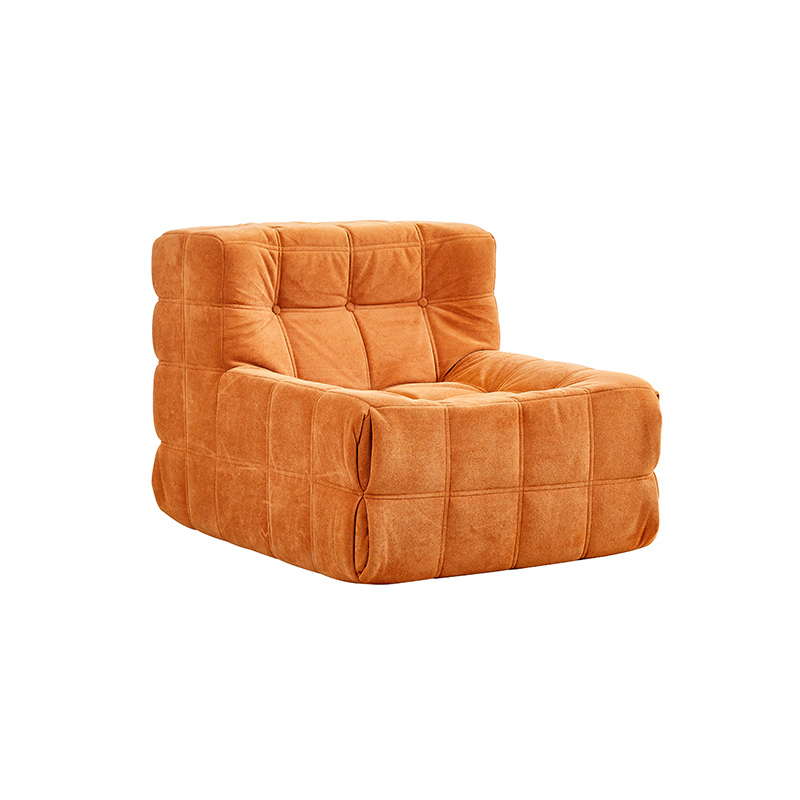
Meaning And Language Usage
In modern usage, both words mean a long upholstered seat designed for multiple people. The difference is mainly cultural and contextual.
Sofa tends to sound more formal and is commonly used in retail catalogs, interior design specifications, and project documentation.
Couch is more casual and is frequently used in everyday conversation, especially when describing a comfortable place to relax.
In purchasing documents, “sofa” is often preferred because it reads more specific and aligns with professional product categories.
Traditional Design Associations
While not a hard rule, the words are often associated with different design expectations.
A sofa is commonly associated with:
A more structured silhouette
Defined arms and backrest proportions
Design details such as piping, tufting, or tailored upholstery
A look intended to match a planned interior concept
A couch is commonly associated with:
A more relaxed profile
Deeper seats or softer cushions
A casual appearance focused on comfort
A “living room lounging” impression
When you are sourcing for a project, it is better to describe the design features you need rather than relying on the word alone.
Construction Differences That Matter More Than The Name
In reality, what affects comfort and durability is construction, not whether the listing says sofa or couch. These are the factors that determine long-term performance.
Frame Structure
A stable frame supports the seating load and reduces squeaks and deformation over time. For high-traffic environments, buyers often prioritize reinforced joints and consistent frame thickness.
Cushion System
Cushions control comfort, support, and how the seat holds shape. Key variables include:
Foam density and rebound behavior
Seat firmness preference for different spaces
Layering design for support and softness balance
Suspension Support
Support systems influence “sink-in” feel and long-term comfort consistency. Different suspension choices can also change how the sofa performs under repeated use.
Upholstery Material
Fabric selection impacts maintenance, stain resistance, and perceived quality. For commercial spaces, upholstery often needs easier cleaning and stronger wear resistance.
How To Choose The Right Option For Your Space
Instead of focusing on the vocabulary, choose based on use scenario and performance expectations.
Living Rooms And Family Spaces
Comfort and daily use often lead buyers toward deeper seats and softer cushions. Look for sizes that match your room circulation and allow easy seating without blocking walkways.
Reception Areas And Offices
These spaces often require a balanced look: professional appearance, stable support, and easy maintenance. More structured silhouettes and controlled cushion firmness tend to perform better.
Hospitality And Public Lounges
High-traffic seating should prioritize durability and repeatability. Many project buyers select standardized designs that can be replenished later with matching sizes and finishes, which is especially important for wholesale programs.
Quick Comparison Table
| Topic | Sofa Typical Expectation | Couch Typical Expectation |
|---|---|---|
| Usage Tone | More formal and design-focused | More casual and comfort-focused |
| Silhouette | Structured profile, tailored details | Relaxed profile, lounge feel |
| Common Context | Retail catalogs, interior specs, project documents | Everyday conversation and casual listings |
| Best Buying Approach | Confirm dimensions and construction specs | Confirm dimensions and construction specs |
The table shows why the terms can be misleading: the practical selection process is the same for both.
Common Mistakes When Ordering “Sofas” Or “Couches”
Relying on the word instead of the specification
Always confirm seat depth, seat height, overall width, and arm thickness. The same term can describe very different sizes.Ignoring traffic level and maintenance needs
A soft lounge-style seating piece may not hold up in high-frequency public spaces without the right construction and upholstery.Skipping layout planning
A sofa that looks right in photos can be too large in real rooms. Confirm clearances for walkways, doors, and cleaning access.Not aligning style with the interior concept
Structured silhouettes often fit modern office and reception designs better, while casual forms suit relaxed environments. Decide on the design direction first.Over-customizing without standardization
For multi-site projects, selecting too many variants makes replenishment hard. Standardizing a few configurations helps long-term consistency for OEM/ODM supply planning.
How To Specify Seating Clearly For Sourcing
If you are placing a bulk order or planning a commercial project, use a specification checklist instead of the sofa/couch label.
Include:
Overall dimensions and seat depth
Seat height and back height
Cushion firmness target and cushion construction preference
Frame material expectations and reinforcement needs
Upholstery type, color references, and cleaning requirements
Packaging and labeling requirements for project distribution
Clear specifications reduce sampling cycles and improve repeatability, especially when working with a solution provider supporting multi-batch deliveries.
Conclusion
The difference between a sofa and a couch is mostly about language and expectations, not a strict product rule. “Sofa” is typically used in more formal buying contexts and often suggests a structured, design-led piece, while “couch” tends to imply a more casual, lounge-oriented feel. For real purchasing decisions, focus on measurable specifications: dimensions, frame construction, cushion system, upholstery, and maintenance needs.
To review OUHE styles and configurations for residential and commercial seating, browse our OUHE Sofa Collection. Share your room type, target dimensions, seating capacity, and upholstery preferences, and our team can provide selection guidance, sampling support, and scalable manufacturing coordination for custom production.