



How To Measure A Sofa?
Measuring a Sofa sounds simple until it arrives and does not fit through the doorway, blocks the walkway, or feels too deep for comfortable sitting. Accurate measurements help you choose the right size for your room, confirm delivery access, and compare products fairly across different styles. This guide explains exactly what to measure, how to measure it, and which numbers matter most for comfort and layout planning.
To explore different sizes and configurations, browse our OUHE Sofa Collection.
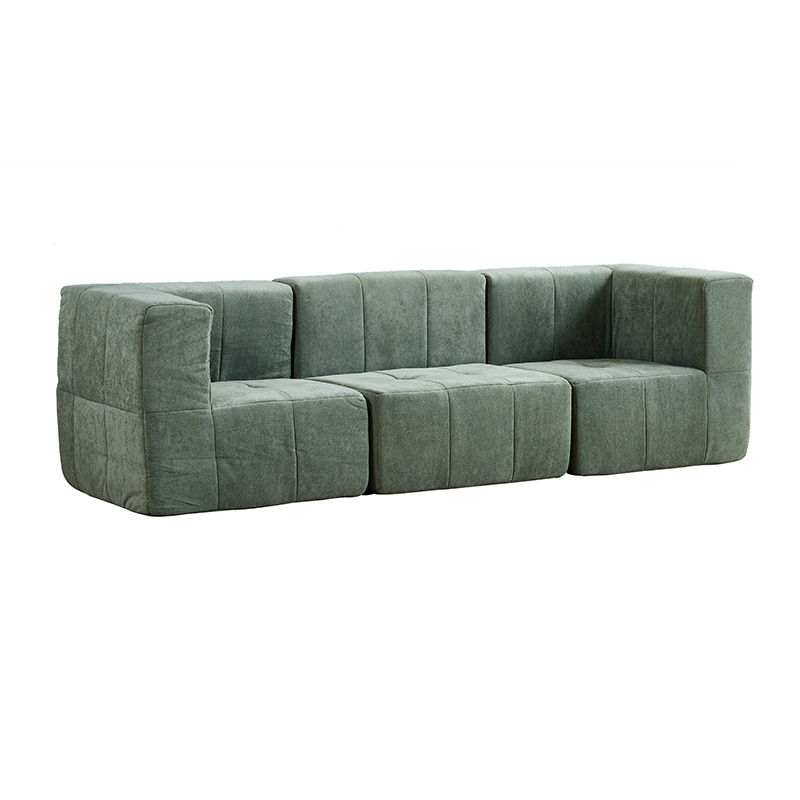
Tools And Setup Before You Measure
You only need a few basic tools, but the setup matters for accurate numbers:
Tape measure with clear markings
Notepad or phone for recording measurements
Painter’s tape or cardboard to mark footprints on the floor
A helper if the sofa is heavy or against a wall
If you are measuring an existing sofa, remove loose pillows and throws so you capture the true seat and frame dimensions.
The Essential Sofa Measurements You Always Need
Overall Width
Overall width is the total left-to-right measurement of the sofa at its widest points, usually including the arms. This number determines whether the sofa fits on the intended wall and whether it will crowd side tables or walkways.
How to measure:
Measure from the outer edge of the left arm to the outer edge of the right arm
If the arms flare outward, measure the widest part, not the narrowest
Overall Depth
Overall depth is the front-to-back measurement from the front of the seat area to the back of the sofa. Depth affects both room clearance and the “visual weight” of the sofa in smaller spaces.
How to measure:
Measure from the front-most point of the sofa to the back-most point
Include any back cushions if they extend beyond the frame
Overall Height
Overall height affects sight lines, wall décor placement, and whether the sofa looks balanced under windows or shelving.
How to measure:
Measure from the floor to the highest point of the backrest
If the back cushion is removable and sits higher than the frame, record both heights
Comfort Measurements That Buyers Often Miss
Seat Height
Seat height influences how easy it is to sit down and stand up. It also affects how your feet rest on the floor.
How to measure:
Measure from the floor to the top of the seat cushion at the front edge
If the cushion compresses significantly, measure while someone sits, then record the compressed height as a reference
Seat Depth
Seat depth affects posture and comfort. A deeper seat can feel more lounge-like, but may be uncomfortable for shorter users without back support.
How to measure:
Measure from the front of the seat cushion to the point where the back cushion begins
If back cushions are removable, measure to the back frame and also record the usable depth with cushions in place
Seat Width
Seat width tells you how much usable sitting space you actually have, which can differ significantly from overall width.
How to measure:
Measure the distance between the inner edges of the arms
If the arms are thick, usable width can be much smaller than the overall width
Back Height From Seat
This number matters for support. A sofa can look tall, but still offer low back support depending on cushion design.
How to measure:
Measure from the seat surface to the top of the back cushion or frame
Record the height at the center back where support is usually felt most
Entry And Delivery Measurements For Fit Planning
Many sofa problems happen before the sofa even reaches the room. Always measure access points.
Doorway Width And Height
Measure the narrowest clear opening. If the door swings inward, measure with the door fully open to confirm usable clearance.
Hallway Width And Turning Space
A sofa needs space to rotate around corners. If the hallway is narrow, measure the corridor width and the corner depth where turning happens.
Staircase Width And Ceiling Height
If the sofa must go upstairs, measure:
Stair width between rails or walls
Landing dimensions where you must turn
Ceiling height above stair turns
Elevator Interior Dimensions
For apartment projects, elevator depth, door width, and interior diagonal clearance often determine whether the sofa can be delivered.
Measuring A Sofa For Layout Planning
A sofa should fit the room and still allow comfortable movement. Common planning rules:
Keep clear walkways open for daily circulation
Avoid blocking doors, drawers, and cabinet access
Leave space for side tables and floor lamps where required
Confirm TV viewing distance and sight line comfort if the sofa is part of a media setup
A simple method is to mark the sofa footprint with painter’s tape on the floor. This makes the real impact of width and depth visible before you buy.
A Practical Measurement Checklist Table
| Measurement | What It Controls | How To Record It |
|---|---|---|
| Overall width | Wall fit and visual scale | Outside arm to outside arm |
| Overall depth | Clearance and room balance | Front-most to back-most point |
| Overall height | Sight lines and décor alignment | Floor to highest point |
| Seat height | Ease of sitting and standing | Floor to top of seat cushion |
| Seat depth | Lounge feel and posture | Front seat edge to back cushion |
| Seat width | Real seating capacity | Inside arm to inside arm |
| Back height from seat | Support level | Seat surface to top of back |
| Doorway width | Delivery access | Narrowest clear opening |
| Hallway corner space | Turning ability | Width plus turning depth |
Common Measuring Mistakes To Avoid
Measuring only the overall width
Depth and seat measurements often cause the real issues in tight rooms.Forgetting arm thickness
Thick arms reduce usable seat width and can crowd side spaces.Not accounting for cushion overhang
Back cushions can add several centimeters or inches to overall depth.Ignoring delivery rotation space
A sofa might fit through a doorway but fail at a hallway turn.Measuring the room but not the sofa footprint
Floor tape marking is one of the fastest ways to see whether a sofa feels too large.
How To Share Measurements For Custom Orders
If you are sourcing for a project or a bulk order, provide measurements in a consistent format to reduce sampling cycles:
Dimensions in mm or inches with the same unit across all data
Clear notes on whether sizes include cushions
Room access constraints and packaging preferences if delivery is complex
Required seating capacity and style direction
This makes it easier for a solution provider to recommend suitable models or propose OEM and ODM adjustments for your target footprint.
Conclusion
Measuring a sofa correctly requires two sets of numbers: the sofa dimensions that control comfort and room fit, and the access measurements that determine whether delivery is possible. Focus on overall width, depth, and height first, then confirm seat height, seat depth, and usable seat width to compare comfort across models. Finally, measure doorways and turning spaces to avoid costly delivery surprises.
To explore size options and configurations, browse our OUHE Sofa Collection. If you share your room dimensions, access constraints, and preferred seating style, our team can help you confirm measurements, recommend suitable layouts, and support custom specifications for project supply.
Previous: How To Move A Sofa?