



How To Keep My Sofa From Sliding?
A Sofa that keeps sliding is more than a small annoyance. It can scratch flooring, shift out of alignment with rugs, create gaps near walls, and make a living room feel untidy even when everything is clean. Sliding also affects safety. When a sofa moves unexpectedly during sitting or standing, it can strain joints, loosen legs, and increase wear on the frame over time. The good news is that most sofa sliding problems have clear causes, and the right fix depends on the flooring type, sofa base design, and how the seating area is used day to day.
This guide explains why sofas slide and how to stop it using practical methods that do not damage floors or reduce comfort. It also helps you choose a long-term solution if you are furnishing a new space or sourcing a more stable seating option. You can explore OUHE seating styles on our sofa collection.
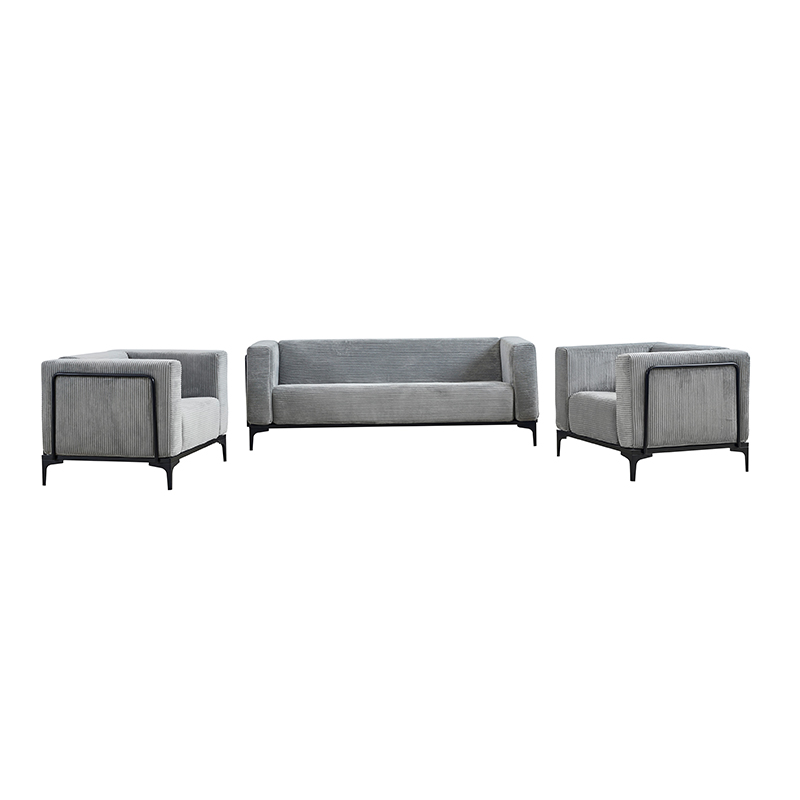
Understand Why Sofas Slide In The First Place
A sofa slides when friction between the sofa base and the floor is too low for the forces applied during use. Those forces come from normal actions such as sitting down, leaning back, standing up, and shifting body weight across the cushions. If the floor surface is smooth, like polished tile, laminate, vinyl, or sealed hardwood, the sofa legs can behave like small contact points with limited grip. Over time, even small repeated movements can push the sofa out of place.
Sofa design also matters. Metal legs, narrow plastic feet, or hard glides can reduce friction. Some sofas are heavier and may seem stable, but weight alone does not prevent sliding if the contact surface is small and smooth. In contrast, a well-designed base that distributes load across wider feet can resist movement more effectively. A durable sofa frame also maintains leg alignment under repeated stress, which helps the sofa stay level and reduces micro rocking that can lead to sliding.
Identify Your Floor Type And The Sofa Contact Points
Before choosing a solution, check two things: the floor finish and the sofa foot type. A sofa on a rug behaves differently than a sofa on bare tile. A sofa with tapered legs behaves differently than one with a continuous base. If your sofa has removable glides, felt pads, or plastic caps, those items may be the direct reason sliding is happening.
It helps to do a quick test. Push the sofa gently from the side and observe whether the legs slip evenly or if one corner moves more than the others. If one corner moves first, the sofa may be slightly uneven, which reduces stability and makes sliding more likely.
The best anti-slide method is the one that matches your actual contact surface, rather than using a generic fix that may work temporarily but fail after cleaning or humidity changes.
Use Rug Placement And Weight Distribution To Stabilize The Seating Zone
Many sliding problems are solved by stabilizing the entire seating zone instead of only the sofa legs. If the sofa sits partially on a rug, the rug can act like a moving layer and amplify sliding. A better approach is to either place the sofa fully on the rug with front legs and ideally rear legs supported, or keep the sofa fully off the rug to avoid uneven friction zones.
When the sofa is partly on rug and partly on floor, the rug edge can compress differently under load, which encourages shifting. Aligning the sofa so the base sits consistently on one surface improves stability. In living rooms with frequent foot traffic, this becomes a practical fix because the rug will also stay aligned and the visual layout remains clean.
Choose The Right Anti-Slip Material For Sofa Legs
The most common long-term solution is to increase friction at the leg-floor interface. Anti-slip rubber pads, silicone grippers, and non-marking floor protectors can add grip while protecting the floor from scratches. The key is selecting a material that suits your floor finish. Some soft rubbers grip well but can leave marks on certain vinyl or sealed wood surfaces. Some felt pads protect floors but reduce friction and make sliding worse, especially on tile.
For smooth hard floors, grippy rubber or silicone is usually more effective than felt. For hardwood that needs scratch protection, a dual-layer pad that combines a protective surface with a high-friction base can work better than simple felt.
If you want a solution that looks cleaner, low-profile grippers designed to sit under the leg and remain hidden can stop sliding without changing the sofa appearance. This is often preferred in modern interiors where visible accessories break the design.
Improve Stability By Correcting Uneven Legs And Loose Hardware
A sofa that rocks slightly will often slide more easily because load shifts from one leg to another, reducing friction consistency. If your sofa slides and also feels unstable, inspect the legs and screws. Loose bolts or misaligned legs create uneven contact and reduce overall grip. Tightening hardware, replacing worn glides, and ensuring the sofa sits level can significantly reduce movement.
If the sofa has adjustable feet, small height corrections can make a big difference. If it does not, adding a leveling pad under the shorter leg can stop rocking and indirectly reduce sliding. This approach often works well in apartments where floors are not perfectly level.
A practical long-term fix focuses on stability first, because friction solutions alone may fail if the sofa base continues to shift unevenly.
Use Wall Spacing And Furniture Anchoring Without Damaging Surfaces
Some sofas slide because they are placed too far from the wall and experience repeated movement from sitting pressure. Positioning the sofa so the back sits closer to a stable surface can reduce shifting. However, placing it tightly against a wall can also cause scuffing if the sofa still moves slightly.
A balanced approach keeps a small gap for airflow and cleaning while using high-friction pads to prevent contact movement. For households with children or high-frequency use, discreet anchoring solutions can be used when appropriate, but they should be chosen carefully to avoid damaging walls or floors.
If you are furnishing a commercial lounge, waiting area, or high-traffic environment, anchoring strategies are often part of layout planning because repeated use forces are higher than in a typical home.
Consider A Sofa Design That Naturally Reduces Sliding
If you are selecting a new sofa, design can solve the problem at the source. Sofas with wider leg bases, stable foot geometry, and balanced weight distribution are less likely to slide. A sofa with a more stable base also tends to feel more secure, especially on smooth floors.
In many projects, a custom sofa solution is used to match the room layout and usage pattern. For example, heavier seating modules, reinforced base structures, and leg designs optimized for friction can reduce maintenance issues. A durable sofa built with stable joinery and controlled leg alignment is less likely to loosen and shift over time.
You can explore OUHE options for different layouts and base designs on our sofa collection, especially if you are furnishing a new space and want to reduce sliding problems from the beginning.
Quick Comparison Table For Common Sofa Sliding Fixes
| Method | Best For | What To Watch For |
|---|---|---|
| Rubber or silicone grippers | Tile, laminate, smooth vinyl | Confirm non-marking material for your floor |
| Dual-layer protective anti-slip pads | Hardwood and sensitive finishes | Replace when worn to maintain grip |
| Full-leg placement on a rug | Living rooms with area rugs | Use a stable rug base to prevent rug shifting |
| Leveling and tightening hardware | Sofas that rock or feel uneven | Recheck after a few weeks of use |
| Layout adjustment near wall | Sofas that shift gradually over time | Maintain a small gap to avoid scuffing |
This comparison helps you choose a fix based on your situation instead of trying multiple solutions randomly.
Conclusion
A sofa slides when friction is too low, leg contact is uneven, or the seating zone encourages movement through mixed surfaces like rugs and smooth floors. The most effective solution starts with identifying the floor type and the sofa foot design, then improving stability through leveling and secure hardware, and finally adding the right non-slip interface that protects the floor while increasing grip. When these steps are combined, the sofa stays aligned, the room looks cleaner, and long-term wear on the frame and flooring is reduced.
If you are still dealing with sliding issues or you are sourcing seating for a new home or project space, OUHE can help you evaluate practical sofa base options and layout recommendations. You can browse our sofa collection and send us your room size, flooring type, and preferred style. Our team can provide guidance and suggest a solution that fits your space and usage needs.
Previous: How To Fix A Sinking Sofa?
Next: How To Move A Sofa?