



How To Fix A Sinking Sofa?
A sinking Sofa can make a living room feel uncomfortable and worn out even if the upholstery still looks fine. When a seat sinks, it usually means the support system under the cushions is no longer distributing weight correctly. That can come from compressed cushion filling, stretched webbing, weakened springs, or frame joints that have loosened over time. The right repair depends on where the sink happens, how the sofa is built, and whether the issue is cushion-related or structural.
This guide explains how to diagnose the cause, fix it with practical repair options, and prevent the problem from returning. It also outlines when replacement or an upgrade makes more sense, especially if you need a durable sofa that holds its shape through daily use. You can explore OUHE seating options on our sofa collection.
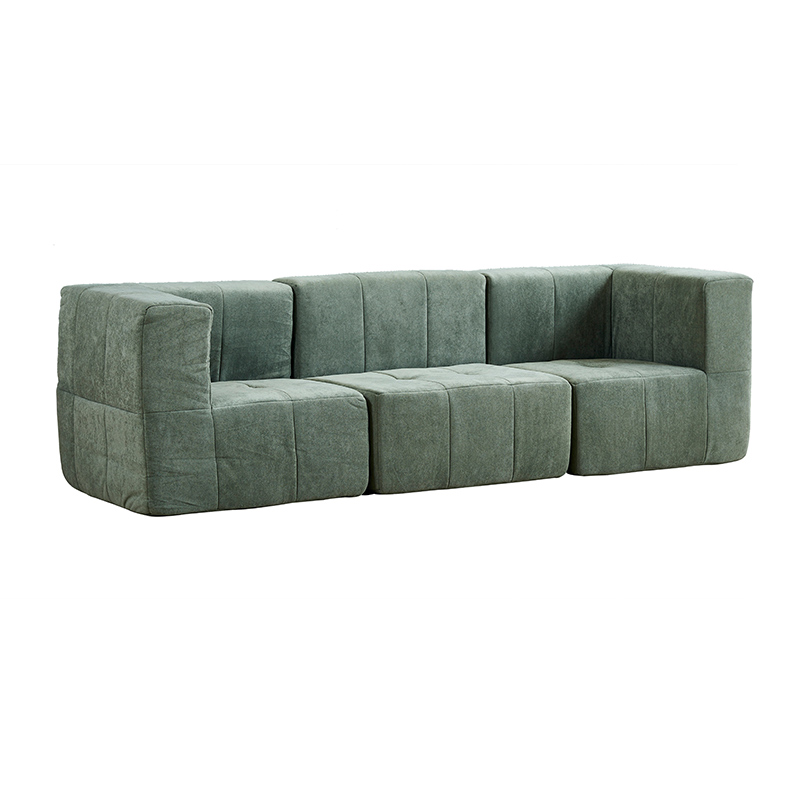
Identify Where The Sofa Is Sinking And What That Tells You
Start by locating the exact area that sinks. If the cushion itself feels flat and you can feel the base underneath, the cushion core is likely compressed. If the cushion still looks full but the entire seat area dips, the support under the seat is probably the issue. If the dip is uneven, such as one corner lower than the others, the frame or support attachment points may be loose.
A simple check is to remove the seat cushions and press directly on the seat deck. If the deck feels soft, bouncy in a weak way, or you hear creaking, the problem is below the cushions. If the deck feels firm but sitting still sinks, the cushion core is the main suspect.
This early diagnosis prevents wasted time. Many people replace cushion inserts only to find the seat webbing is stretched and still allows the sofa to sink.
Understand The Most Common Causes Of A Sinking Sofa
A sofa seat is supported by multiple layers. The cushion provides comfort, but it relies on underlying support to hold shape. In many sofas, that support is created by sinuous springs, elastic webbing, or a platform system. Over time, repeated loading causes material fatigue. Webbing can stretch, spring clips can loosen, and foam can lose resilience.
Cushions sink faster when the same seat is used daily, when the foam density is low, or when the cushion is not rotated. Support systems sink faster when the sofa is frequently used by multiple people, when the span between supports is wide, or when the frame is not rigid enough to keep spring tension stable.
A durable sofa is designed to slow these failures by using stable frames, balanced support spacing, and cushion materials that recover shape after repeated compression.
Fix A Sinking Sofa Cushion Without Rebuilding The Frame
If the seat deck feels firm but the cushion feels flat, you can often restore comfort with cushion-focused repairs. The most effective method is replacing or upgrading the cushion insert, because foam that has lost resilience usually does not recover permanently.
If you need a short-term improvement, adding a high-density foam layer or a supportive insert beneath the existing cushion can reduce sinking. However, this works best when the original cushion cover still fits well and the cushion box is not overly stretched. If the cushion cover has become loose, even a better insert may look wrinkled unless the sizing is corrected.
For sofas with removable cushion cores, selecting a higher-resilience foam or a hybrid insert can improve long-term comfort. This is also where a custom sofa approach becomes useful, because seat firmness and recovery can be tailored to the user’s preference and usage frequency rather than relying on a one-spec-fits-all cushion.
Restore Seat Support When Webbing Or Springs Have Weakened
If the seat deck sinks when cushions are removed, the support system needs attention. Webbing systems can be tightened or replaced. Spring systems may need re-tensioning, clip replacement, or reinforcement in the sagging zone.
In many cases, sagging happens in the center where load is highest. Reinforcing the sagging span with additional webbing strips or support elements can restore firmness. The goal is to create uniform tension across the seating area. If only one area is tightened, the seat may feel uneven and create new stress points, which can shorten the repair life.
When working under the sofa, ensure the support is attached to solid frame members rather than thin panels. A repair that anchors into weak material will loosen again quickly.
Inspect The Frame And Hardware For Hidden Causes
A sinking feel is sometimes caused by a frame that has loosened rather than a support system that has worn out. Loose corner blocks, cracked joints, or screws that back out can allow the seat structure to flex. Flex reduces spring or webbing tension, which makes the seat feel softer even if the support components are intact.
Check for movement by pressing on the seat corners and listening for creaks. Then check the legs and base for wobble. A sofa that is not level often feels like it is sinking because load shifts unevenly and compresses one side more than the other.
Tightening hardware and stabilizing the base can sometimes restore the feel more than cushion changes, especially when the sink is uneven.
Reinforce The Seat Deck For A Practical Long-Term Fix
For sofas with repeated heavy use, reinforcement may be the most practical long-term solution. Reinforcement can mean adding additional support members, strengthening attachment points, or upgrading the support pattern in the highest-load areas.
This approach is especially useful in multi-user environments such as lounges, hospitality spaces, or family living rooms where the sofa experiences constant use. Reinforcement improves shape retention and reduces the rate at which cushions compress, because the cushion is no longer forced to compensate for weak underlying support.
If you are planning a replacement rather than repair, focusing on seat deck structure and support design is one of the best ways to avoid another sinking sofa problem.
Compare Fix Options Based On Sofa Condition
| Problem Signal | Most Likely Cause | Best Fix Direction |
|---|---|---|
| Cushion feels flat but deck feels firm | Cushion core compression | Replace cushion insert or upgrade foam |
| Entire seat dips with cushions removed | Webbing or springs weakened | Replace or reinforce support system |
| One side sinks more than the other | Frame loosening or uneven base | Tighten joints, level legs, reinforce corner zones |
| Creaking with movement | Joint stress or clip loosening | Repair attachment points and hardware |
| Repairs work briefly then fail | System-level fatigue | Consider structural upgrade or replacement |
This comparison helps you select repairs that match the cause instead of chasing symptoms.
Prevent The Sofa From Sinking Again
Once the sofa feels stable again, prevention extends the result. Rotating cushions and alternating seating positions reduces repeated compression in one zone. Keeping the sofa level reduces uneven loading that accelerates sagging. Avoiding frequent jumping or concentrated loads in one spot also protects the support system.
If the sofa is used heavily every day, selecting higher-resilience cushion materials and a stable support structure becomes a practical decision rather than a luxury. The cost of repeated repairs and comfort loss often exceeds the value of upgrading to a better design.
When Replacement Or An Upgrade Is The Better Choice
If the frame is cracked, the support system is widely fatigued, or multiple components have failed at once, repairs can become temporary and costly. In these situations, replacing the sofa or upgrading to a model built for shape retention may be the smarter choice.
For projects such as model apartments, rental properties, hospitality lounges, or family homes with frequent use, choosing a durable sofa with a stable frame and optimized seat support reduces long-term maintenance and helps the sofa maintain its original look.
You can explore OUHE seating designs on our sofa collection, especially if you are comparing comfort levels, seat firmness options, and structural stability for long-term use.
Conclusion
Fixing a sinking sofa starts with identifying whether the issue comes from the cushion, the support system, or the frame. Cushion compression can often be solved by replacing inserts with higher-resilience materials. Support sagging usually requires webbing or spring reinforcement to restore uniform tension. Frame and hardware checks ensure the repair holds and prevents uneven sinking from returning. When repairs become repetitive or the structure is widely fatigued, upgrading to a better-built sofa is often the most practical long-term solution.
If you are unsure which repair approach matches your sofa design, or if you are planning to source a new seating solution that holds its shape under daily use, OUHE can help. You can browse our sofa collection and share your seating size, usage frequency, and comfort preference. Our team can provide guidance and recommend a suitable solution, including options tailored to your space.
Previous: