


3 Seat Steel Chair
A 3 seat steel chair is a connected commercial seating unit designed to accommodate three people on a shared metal supporting structure. Buyers should evaluate steel thickness, beam connections, dimensions, surface finishing, and structural stability before selecting a model.
What Is a 3 Seat Steel Chair?
A 3 seat steel chair is a commercial Waiting Chair that combines three individual seating positions within one connected frame.
It is commonly installed in airports, hospitals, railway stations, reception areas, government buildings, and other public facilities.
Compared with three separate chairs, a connected three-seat unit provides consistent seat spacing and a more organized arrangement.
Typical structural components include:
Three individual seat sections.
A shared supporting beam.
Metal supporting legs.
Individual armrests or dividers.
A steel seat and backrest.
Protective surface finishing.
As a manufacturer of Commercial Waiting Chairs, our factory produces connected steel seating systems in different configurations, including three-seat models for public and commercial applications.
Why Is a Three-Seat Configuration a Practical Choice?
A three-seat arrangement provides a useful balance between seating capacity and installation flexibility.
Efficient Space Planning
Three connected seats create a defined seating unit, making it easier to calculate the required installation length.
Consistent Seating Positions
The connected structure helps maintain uniform spacing between individual seats.
Shared Supporting Structure
A common beam and supporting frame connect the three seating positions, creating one integrated seating unit.
Flexible Project Arrangement
Multiple three-seat units can be installed in separate rows or grouped into larger waiting areas.
However, buyers should still consider aisle clearance, wheelchair accessibility, luggage movement, and emergency circulation requirements.
What Steel Specifications Should Buyers Check?
Steel specifications directly influence the construction of a three-seat waiting chair.
The main factors include:
Seat and Backrest Thickness
The thickness of the steel panels should match the intended structural design and loading requirements.
Beam Thickness
The supporting beam connects the seating positions and distributes loads throughout the structure.
Leg Specifications
The legs should provide suitable support and maintain balance under the expected operating conditions.
Welding Method
Consistent welding helps maintain reliable connections between the structural components.
Surface Finish
Powder coating or other specified treatments should provide a consistent finish suitable for the intended indoor environment.
A useful purchasing approach is to review the complete structural specification rather than judging the chair only by its external appearance.
What Dimensions Matter When Selecting a 3 Seat Steel Chair?
The correct dimensions depend on the product design and available installation space.
Important measurements include:
Overall chair length.
Individual seat width.
Seat depth.
Seat height.
Backrest height.
Armrest spacing.
Overall product depth.
The dimensions should be confirmed through the manufacturer's technical drawing before purchasing.
A three-seat chair that fits the available wall length may still create problems if its overall depth restricts pedestrian movement.
For airport and hospital projects, the seating arrangement should therefore be evaluated together with the complete floor plan.
What Is the Difference Between All-Steel and PU-Covered Three-Seat Chairs?
Both designs can use a metal supporting structure, but they provide different seating experiences.
An all-steel chair has a firm metal contact surface and a relatively straightforward construction.
A PU-covered chair combines a metal supporting frame with a cushioned seat or backrest surface. This design may be more suitable for waiting areas where passengers remain seated for longer periods.
The choice depends on:
Expected waiting duration.
Cleaning requirements.
Passenger comfort.
Interior appearance.
Material budget.
Maintenance arrangements.
Buyers should also check the compatibility of PU surfaces with their intended cleaning products rather than assuming that all PU materials tolerate the same chemicals.
What Is a Practical Example of a 3 Seat Steel Chair?
Our P1617 3 Seater Steel Waiting Chair provides a reference for buyers evaluating an all-steel commercial seating structure.
Its listed specifications include:
2.0 mm painted steel backrest and seat.
1.0 mm painted steel armrests and legs.
1.2 mm painted steel supporting beam.
Silver, black, blue, red, or optional colors.
One-to-five-seat configurations.
The product uses a connected steel beam structure to support the seating positions.
These specifications illustrate why buyers should evaluate the seat panels, armrests, legs, and beam separately when comparing three-seat steel chairs.
The 3 Seater Steel Waiting Chair product page provides additional information about its materials and configurations.
How Should a Three-Seat Steel Chair Be Inspected?
Before confirming bulk production, buyers should review several quality checkpoints.
Structural Inspection
Check the supporting frame, beam connections, seat alignment, and overall dimensions.
Welding Inspection
Inspect welded areas for cracks, incomplete connections, excessive spatter, or visible defects.
Surface Inspection
Look for scratches, dents, coating irregularities, and exposed metal.
Assembly Inspection
Confirm that the three seating positions remain aligned and that armrests and supporting legs are correctly installed.
Stability Inspection
Evaluate the assembled chair on a level surface and check for abnormal movement or rocking.
Packaging Inspection
Check whether metal corners, seat panels, and connecting parts are protected against impact during transportation.
A documented inspection process helps commercial furniture buyers reduce the risk of receiving inconsistent products.
Where Are 3 Seat Steel Chairs Commonly Used?
Three-seat steel chairs can serve different commercial and public environments.
Airport Waiting Areas
They provide organized seating near boarding gates, terminal waiting halls, and passenger service areas.
Hospital Reception Areas
They can accommodate patients and visitors in outpatient departments and general waiting halls.
Railway Stations
Connected seating units help organize passenger waiting spaces and maintain consistent seating positions.
Government Service Centers
Three-seat units can be installed near service counters and public reception areas.
Commercial Office Buildings
Reception areas and visitor waiting rooms can use three-seat chairs to provide practical seating with a consistent appearance.
How Can Manufacturers Support Customized Three-Seat Seating Projects?
For large projects, standard product specifications may need to be adjusted to match the installation environment.
Depending on the selected design, buyers may discuss:
Seat configuration.
Metal color and finish.
Seat and backrest materials.
Armrest design.
Supporting beam structure.
Product dimensions.
Packaging and branding requirements.
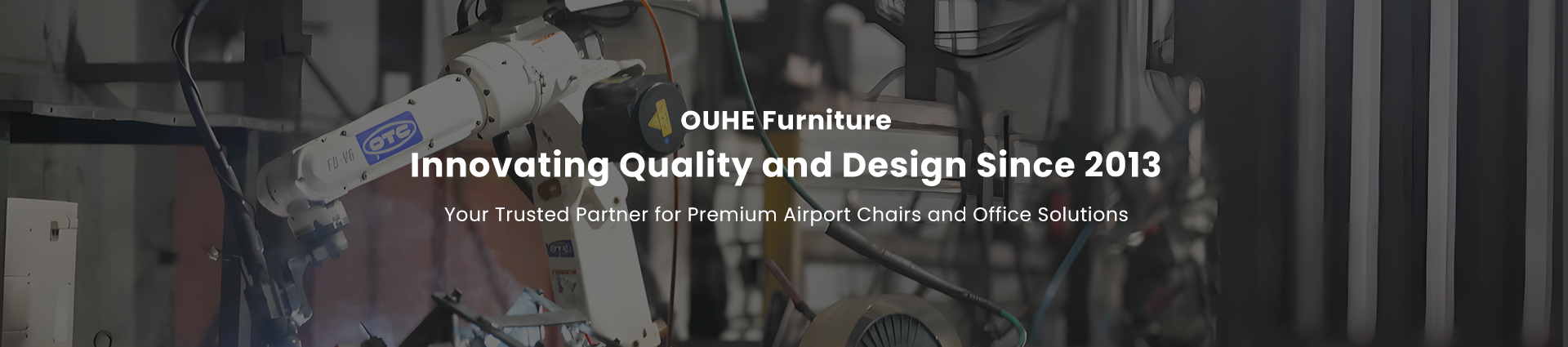
Our factory operates metal stamping, robotic welding, spraying, and packaging facilities, allowing production requirements to be coordinated across different manufacturing stages.
For OEM and ODM projects, approved drawings and samples should establish the final product specifications before mass production.
What Should Buyers Consider Before Ordering Three-Seat Steel Chairs?
A reliable purchasing decision should consider both the product and the supplier.
Buyers should confirm:
Whether the steel thickness matches the agreed specification.
Whether the supporting beam is suitable for the required configuration.
Whether the dimensions fit the installation area.
Whether the surface treatment meets the project's requirements.
Whether relevant test documents are available.
Whether replacement components can be supplied.
Whether packaging and delivery arrangements are suitable for the destination.
The lowest unit price may not provide the best overall purchasing value if structural specifications, finishing quality, or packaging protection are reduced.
Source Your Three-Seat Steel Chairs Directly From the Factory
A suitable 3 seat steel chair should combine practical dimensions, reliable metal construction, consistent surface finishing, and an appropriate supporting structure.
Our manufacturing team works with furniture importers, commercial furniture wholesalers, and project contractors to supply connected waiting chairs for different public environments.
To discuss a three-seat steel chair order, provide the required quantity, preferred model, material specifications, color, and delivery destination through our Three-Seat Chair Quotation Page.